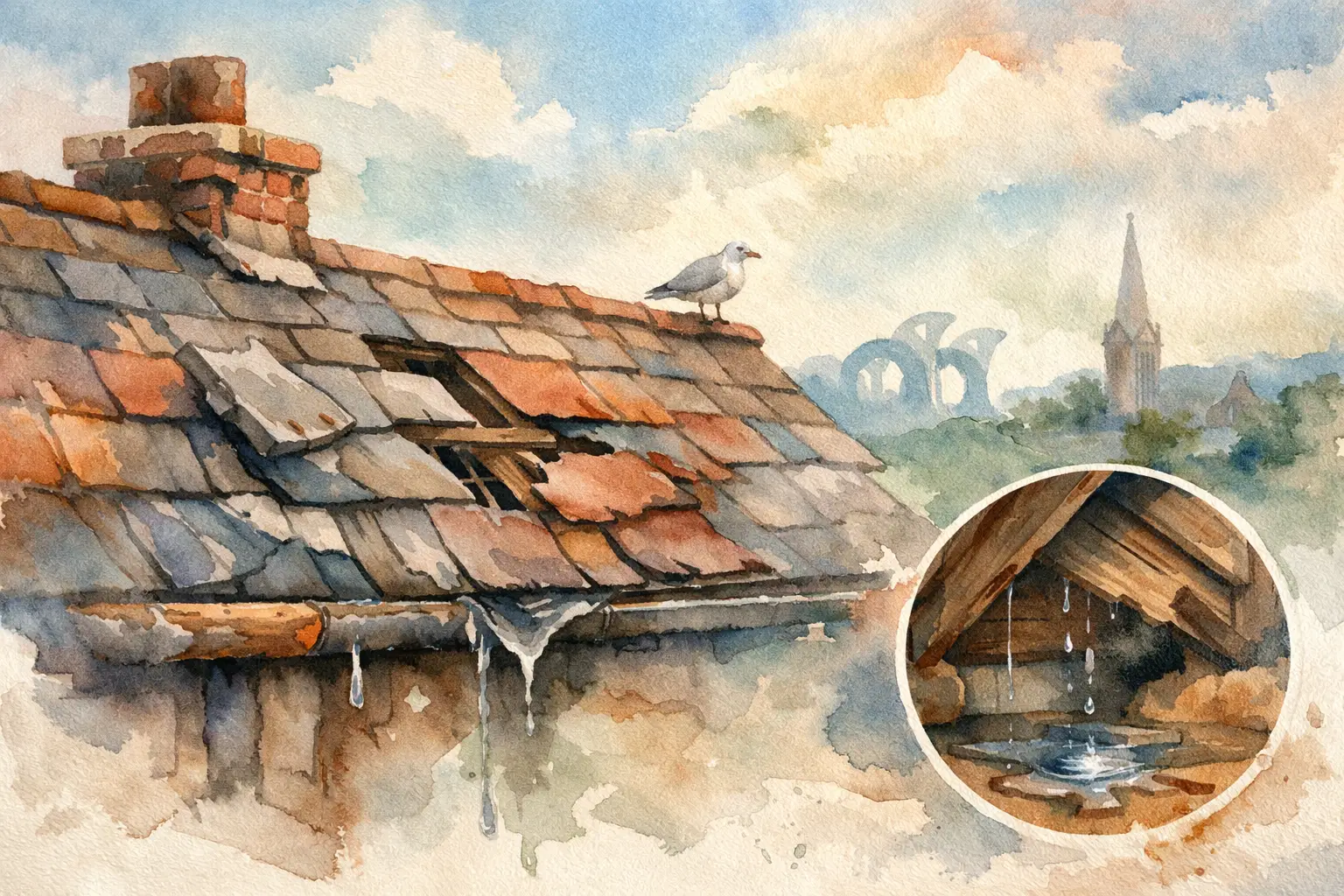
Roof Repairs Falkirk: 10 Urgent Warning Signs
A roof problem rarely starts with a dramatic collapse. More often, it begins with a small water mark on the ceiling, a tile out of place after high winds, or a gutter that suddenly overflows in heavy rain. When people search for roof repairs Falkirk: 10 warning signs your roof needs immediate attention, they are usually trying to work out one thing fast – is this a minor issue, or do I need to act now?
The honest answer is that some roofing faults can wait a little, but many cannot. In Central Scotland, where wind, driving rain and winter frost all put pressure on a property, small defects tend to become expensive ones if they are ignored. Knowing what to look for helps you deal with the problem before water gets into timbers, insulation, plasterwork or brickwork.
Roof repairs Falkirk: 10 warning signs your roof needs immediate attention
1. Water stains on ceilings or upper walls
Brown patches, peeling paint or damp marks inside the house are among the clearest signs that your roof may be letting water in. The leak itself is not always directly above the stain. Water can travel along rafters and felt before it shows inside, which is why the visible damage indoors can mislead homeowners.
If the mark is getting larger, feels damp to the touch, or appears after rainfall, it should not be left alone. A quick repair to a damaged area of roof covering is usually far more straightforward than dealing with soaked insulation, rotten timber and redecoration later.
2. Slipped, cracked or missing tiles and slates
From ground level, a single missing tile might not look like a major issue. In reality, even one gap can allow rainwater to work beneath the surrounding covering. Once that happens, underlay, battens and nearby tiles can all be affected.
Storms and age are common causes, but poor previous repairs can also lead to repeated movement. If you can see uneven lines, exposed patches, or pieces of roofing material on the ground, the roof needs attention promptly. The longer the opening is exposed, the greater the chance of internal damage.
3. Damp or musty smells in the loft
A loft should not smell wet. If it does, moisture is getting in or failing to escape properly. Sometimes this comes from a roof leak, and sometimes from poor ventilation that allows condensation to build up. Either way, it needs checking.
The reason this matters is simple. Persistent moisture in the roof space can affect timber condition, reduce insulation performance and create a healthy environment for mould. You may not see the problem from below until the damage is already well advanced.
4. Sagging areas along the roofline
A roofline should look straight and even. If you notice a dip in the ridge, a sagging section of roof slope, or uneven lines along the eaves, do not put it down to age alone. Sagging can point to weakened timbers, long-term water ingress, or structural movement.
This is one of the warning signs that should never be ignored. Not every sag means the roof is unsafe, but it does mean the structure needs professional assessment. In some cases, a localised repair is enough. In others, a larger section may need to be rebuilt to prevent failure.
5. Moss build-up that is holding moisture
Moss on a roof is common across Falkirk and surrounding areas, especially on older properties and shaded elevations. A light covering is not always an emergency, but heavy moss growth is different. It traps moisture against tiles, blocks drainage channels and can force water where it should not go.
During colder months, that trapped moisture can freeze and expand, which puts added stress on the roofing material. Moss can also hide cracked tiles and make a roof look sound from below when it is not. If growth is thick and widespread, it is worth having the roof checked rather than assuming it is only a cosmetic issue.
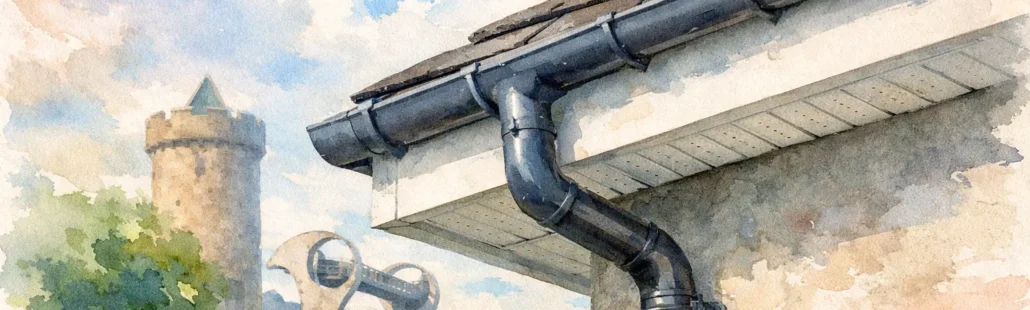
6. Overflowing or damaged gutters
Gutters are easy to overlook because they sit at the edge of the roof rather than on it. Yet they are part of the system that protects your property from water damage. When gutters overflow, leak at joints, or pull away from the fascia, rainwater can run down walls and back towards the roofline.
Sometimes the fix is as simple as clearing blockages. Sometimes the real issue is damaged roof edges, slipped tiles or rotten timber behind the guttering. If you are seeing water pouring over the side during rain, it is worth treating it as a warning sign rather than a maintenance nuisance.
7. Daylight visible in the loft
If you can see daylight through the roof boards or around junctions in the loft, water and cold air can get in through those same openings. Small gaps around vents may be normal, but visible light through damaged sections, around chimney flashings, or beneath displaced tiles is a concern.
This is one of the simplest checks a property owner can make safely from inside the loft. It does not tell you the whole story, but it often confirms that the roof covering has been compromised. If daylight is visible after a storm, there is a strong chance urgent repair work is needed.
8. Flashing problems around chimneys, valleys and roof joints
Roof leaks often start at weak points rather than in the middle of the slope. Lead flashing around chimneys, roof valleys, abutments and joins is designed to keep water out at these vulnerable areas. If flashing has lifted, cracked or deteriorated, rain can quickly work its way inside.
The difficulty is that flashing faults are not always obvious from the ground. You may first notice a leak near a chimney breast, damp around an upstairs wall, or staining where two roof sections meet. These details matter because patching the symptom indoors will not solve the source outside.
9. Rising energy bills and draughts upstairs
Not every roof problem starts with visible water. If rooms at the top of the house feel colder than usual, or your heating seems to be working harder, the roof may be part of the problem. Damaged coverings, gaps, wet insulation and failing roofline components can all affect thermal performance.
This is where a proper inspection makes a difference. Sometimes the issue is straightforward heat loss through old insulation. Sometimes it is a repair problem disguised as an energy problem. If your roof has not been checked in years and comfort indoors has changed, it is sensible to investigate before winter pushes costs even higher.
10. Recent storm damage or debris impact
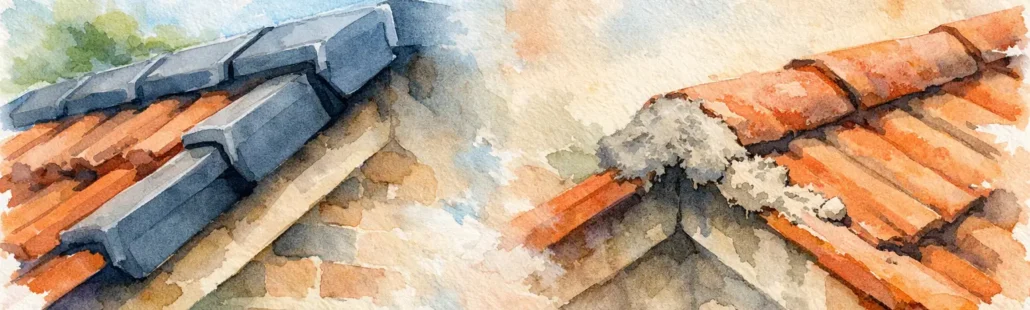
After strong winds, heavy rain or fallen branches, a roof can suffer damage that is not obvious from the pavement. Ridge tiles may loosen, slates can crack, flashing can lift, and gutters may shift under impact. Waiting for a visible leak is a risk, especially after severe weather.
A post-storm inspection is often the difference between a modest repair and major internal damage. This matters particularly for older roofs, where one weak area can trigger failures elsewhere once the weather gets in.
When a roof problem cannot wait
Some defects can be booked in as planned maintenance. Others need a faster response. Active leaks, sagging sections, widespread missing tiles, storm damage and any sign of water reaching electrics or ceilings should be treated as urgent.
There is always a balance to strike. Homeowners do not want to overreact to every small fault, but leaving a genuine roofing issue for weeks can turn a repair into a much larger project. That is especially true with chimneys, fascias, soffits and external walls, where one problem can affect another.
What to do if you spot these warning signs
Start with the safest checks. Look from ground level, inspect the loft if you can do so safely, and make a note of when the problem appears – after rain, after wind, or all the time. Photographs can help track whether damage is getting worse.
Avoid climbing onto the roof yourself. What looks like a simple fix can be dangerous without the right access and experience. More importantly, walking on the roof can cause further damage, especially on older tiles or slates.
A proper inspection should identify not just the visible fault, but the cause behind it. That is the difference between a repair that lasts and one that only buys a few weeks. Companies such as FK Roofing deal with this every day, which means homeowners can get a clear view of what needs immediate work and what can be planned.
If your roof is showing any of these signs, acting early usually gives you more options, lower costs and less disruption. A small repair done at the right time can protect the rest of the property and save a great deal of stress later.