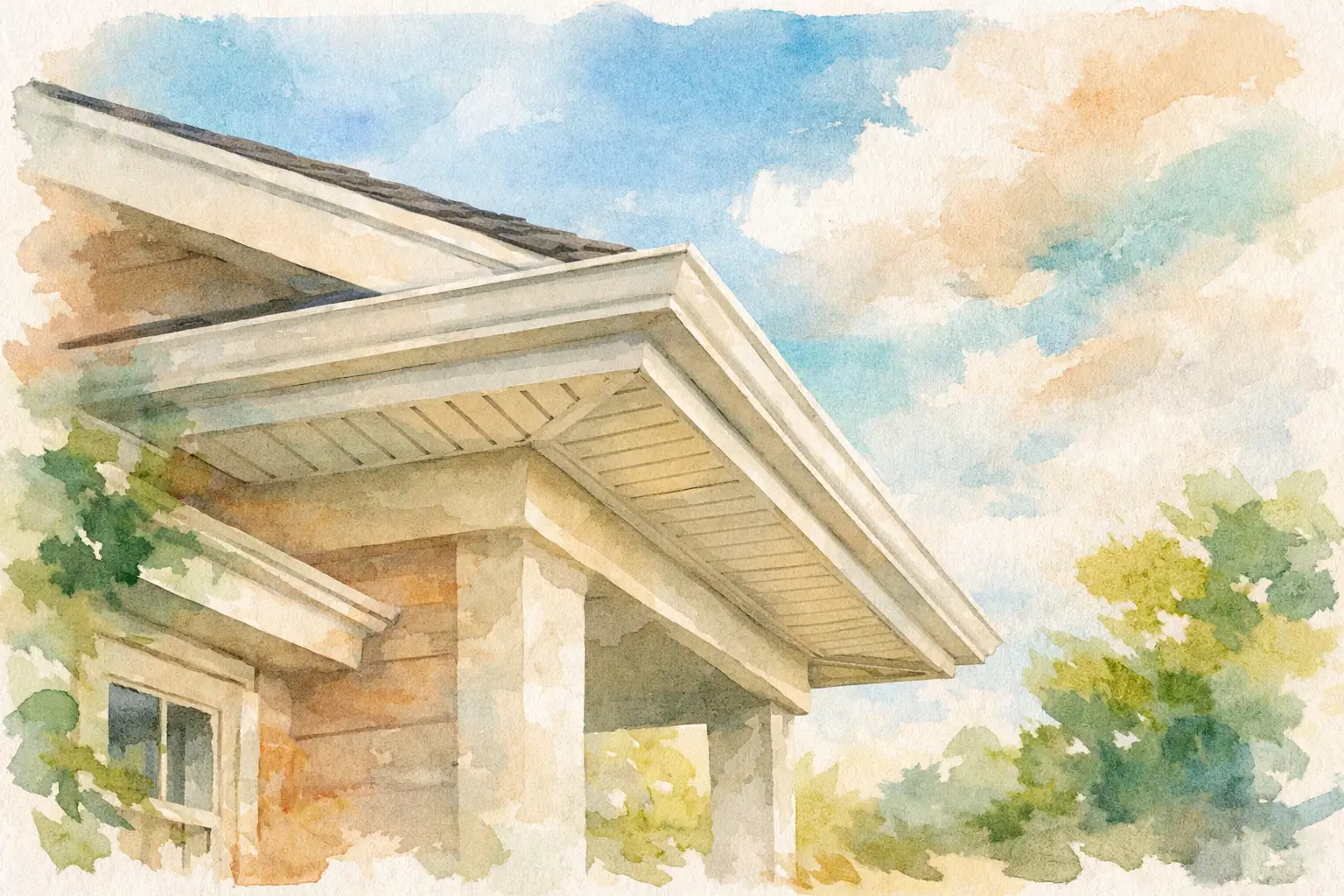
What Do Soffits Do on a House?
If you have ever looked up at the underside of your roof overhang and wondered what do soffits do, the short answer is this: they protect one of the most vulnerable parts of your home. They sit beneath the roof edge, close off exposed rafters, and help your roofline cope with moisture, airflow and everyday weather.
Soffits are easy to ignore because they are not the most noticeable part of a property. Yet when they fail, the effects can spread quickly. Damp timber, peeling paint, poor loft ventilation and even pest access often start around the roofline, and soffits play a big part in preventing that.
What do soffits do in practical terms?
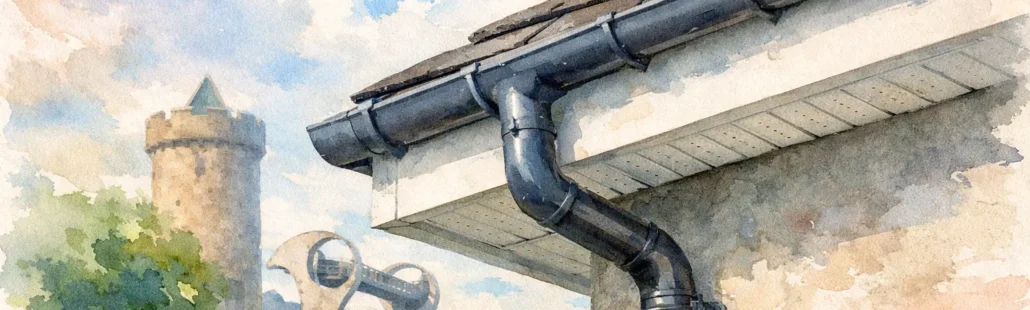
A soffit is the board fixed underneath the section where the roof extends beyond the external wall. It usually works alongside the fascia, which is the front-facing board fixed along the roof edge that supports the guttering. The soffit closes the gap underneath.
That may sound simple, but it serves several useful purposes at once. First, soffits protect the underside of the roof edge from rain, wind and general exposure. Without them, the roof overhang leaves openings where moisture can linger and where birds, insects and debris can get in.
Second, soffits often help with ventilation. Many soffit systems include vents that allow air to move into the loft or roof space. That airflow matters more than many homeowners realise. A roof space that cannot breathe properly is more likely to suffer from condensation, mould and timber decay.
Third, soffits improve the appearance of the property. They create a neat, finished edge at the eaves and tie the roofline together. On older homes, damaged or sagging soffits can make the whole exterior look tired, even if the roof itself is still sound.
Why soffit ventilation matters
Ventilation is one of the main reasons soffits are so important. Warm, moist air naturally rises from the living spaces below. If that moisture reaches a cold loft and has nowhere to escape, condensation can form on timbers, felt and insulation.
Over time, that trapped moisture can cause rot, black mould and a musty smell in the roof space. It can also reduce the performance of insulation, which is not ideal when you are trying to keep energy bills under control. Vented soffits help fresh air enter at the eaves so that stale, damp air can move through and out.
That said, ventilation is not a one-size-fits-all issue. The amount of airflow a roof needs depends on the property, the roof design and the existing ventilation setup. Adding vented soffits can help, but if the loft has broader airflow problems, soffits alone may not solve it. This is why a proper inspection matters when there are signs of persistent damp or condensation.
Protection from weather and water ingress
The Scottish climate is not gentle on rooflines. Driving rain, strong winds and repeated freeze-thaw cycles put exterior materials under pressure. Soffits act as a barrier that helps shield the underside of the roof edge from that exposure.
When soffits are missing, cracked or poorly fitted, moisture can get into the roof structure more easily. Water does not need a large opening to cause trouble. A small gap can allow damp to build up over time, especially if gutters are blocked or overflowing nearby.
This is where the condition of the whole roofline matters. Soffits, fascias and guttering work together. If one part fails, the others often come under strain as well. For example, a leaking gutter can soak the fascia and soffit below it, while rotten fascia boards can leave soffits loose or unsupported.
Do soffits stop pests getting in?
Yes, they can help a great deal. One of the less talked-about answers to what do soffits do is that they help seal off easy entry points around the eaves. Gaps in the roofline are attractive to wasps, birds and small rodents looking for shelter.
A well-fitted soffit helps close those openings. Vented soffits are designed to allow airflow while still limiting access for pests. If soffits are damaged, however, that protection weakens quickly. Birds can nest in roof voids, insects can enter through cracks, and once pests get established, the clean-up and repair work usually costs more than sorting the soffits in the first place.
Common soffit materials and what to expect
Soffits are typically made from timber, uPVC or occasionally aluminium, and each option has its pros and cons.
Timber soffits can look good on period properties and may suit homes where maintaining the original appearance matters. The drawback is maintenance. Timber needs regular painting and can rot if moisture gets in.
uPVC soffits are a popular choice because they are low maintenance, durable and resistant to rot. They are often the practical option for homeowners who want a tidy roofline without frequent upkeep. Even so, low maintenance does not mean no maintenance. Dirt, blocked vents and loose sections should still be checked.
Aluminium can also perform well, especially on some commercial or modern properties, but it is less common on typical homes. Cost, appearance and the existing roofline all influence what makes most sense.
Signs your soffits may need attention
Soffit problems are not always obvious from ground level, but there are warning signs worth watching for. Peeling paint, staining, sagging boards and visible cracks usually suggest that moisture has already started to affect the area.
You might also notice flaking material, gaps where birds are getting in, or poor ventilation symptoms in the loft such as condensation and mould. In some cases, the first sign is not on the soffit itself but on the inside of the property, such as damp patches near the top of external walls.
It depends on the cause. Sometimes the soffit is the main issue. Other times it is reacting to something else, such as failed guttering, a roof leak or long-term water overflow. Replacing the soffit without fixing the source of the problem rarely lasts.
Repair or replace?
This comes down to condition, material and how widespread the damage is. A small localised issue, such as a single loose section or minor cracking, can often be repaired. If the boards are generally sound and the problem has been caught early, repair may be the most cost-effective option.
If there is widespread rot, repeated water damage or failing ventilation, full replacement often makes more sense. This is especially true when fascias and guttering are also near the end of their serviceable life. Dealing with the roofline as a system is usually more efficient than patching one part at a time.
For many homeowners, the real question is not just price today but value over time. A cheaper short-term repair can end up costing more if the surrounding boards fail six months later.
What do soffits do for the value and appearance of a home?
They do more than people think. While soffits are mainly functional, they also affect kerb appeal. A clean, well-finished roofline makes the property look cared for. That matters whether you plan to stay put, let the property out or sell in the future.
On the other hand, stained or rotting soffits can make buyers and tenants wonder what else has been neglected. Roofline defects tend to raise concerns because they suggest possible hidden damp or structural issues. Keeping soffits in good order helps present the property as properly maintained.
When to get them checked
If your soffits are visibly damaged, if your loft has condensation issues, or if you have noticed water spilling over gutters, it is worth having the roofline inspected. Homes with older timber soffits should be checked more regularly, especially after heavy weather.
In areas such as Falkirk and across Central Scotland, where wind and rain can test external building materials year after year, preventative maintenance usually works out better than waiting for rot to spread. A professional inspection can show whether the issue is cosmetic, localised or part of a wider roofing problem.
Soffits rarely get much attention until something goes wrong, but they earn their place every day. They help your roof breathe, protect exposed edges and keep the outside of your home looking finished and secure. If yours are cracked, stained or simply past their best, it is worth dealing with them before a small roofline problem turns into a bigger repair job.