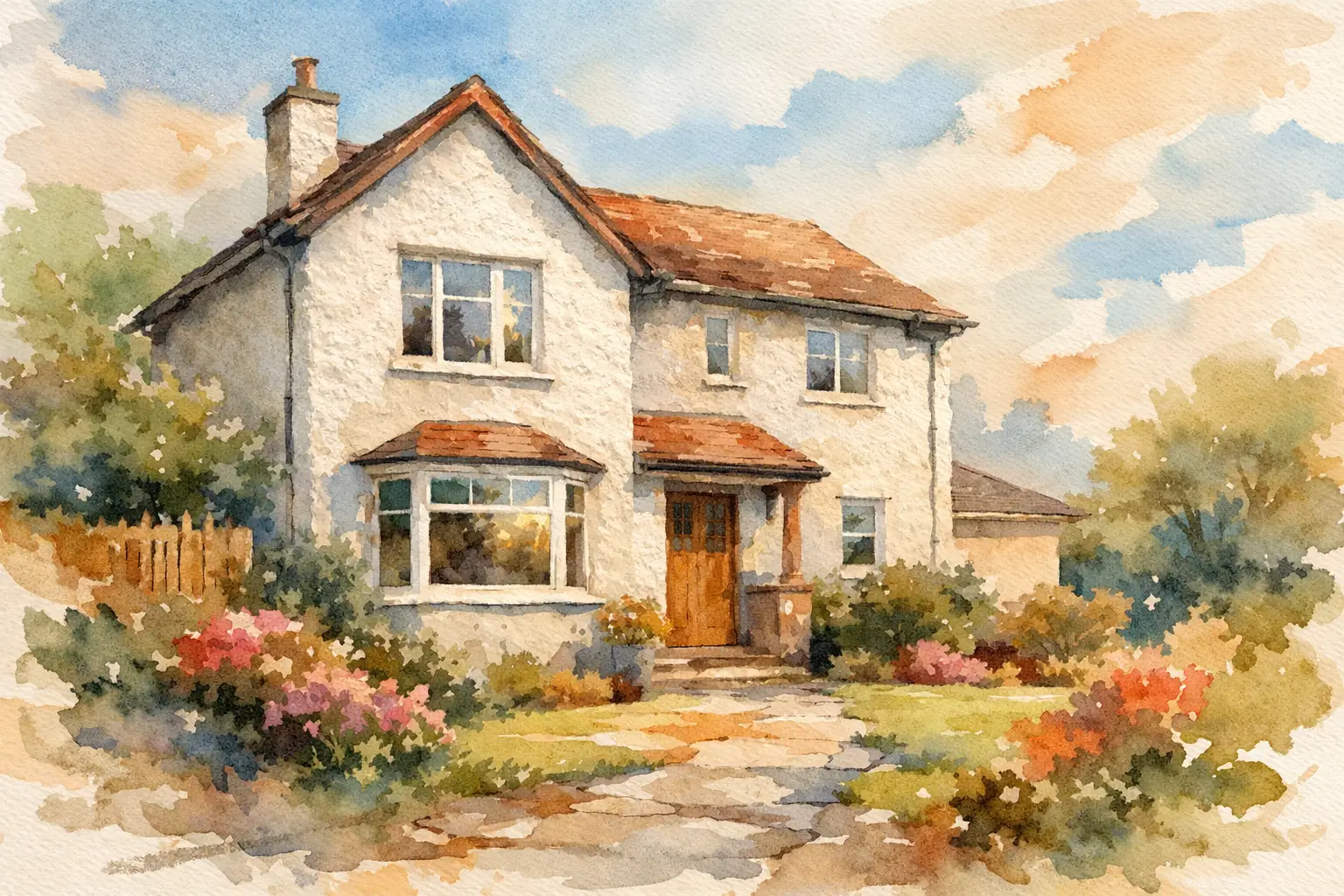
Roughcasting House Exterior Benefits Explained
Pebbled, cracked or constantly patching the outside of your home? That is usually the point where roughcasting house exterior benefits become more than a nice idea. For many property owners, it is a practical upgrade that improves protection, appearance and day-to-day upkeep in one job.
Roughcasting has long been a popular finish on homes across Scotland, and for good reason. Our weather is hard on external walls. Wind-driven rain, changing temperatures and general exposure can leave masonry looking tired and vulnerable. A properly applied roughcast finish gives the building a tougher outer layer while also smartening the property up.
What roughcasting actually does
Roughcasting is a protective external wall finish made from a render base combined with aggregate. Once applied, it creates a textured surface designed to shield the wall beneath from the elements. It is not just there for appearance, although that is a big part of the appeal for many homeowners.
The main job of roughcasting is to help external walls cope with moisture and exposure. If brickwork or existing render is worn, porous or damaged, water can start finding its way into the structure. Over time, that can lead to damp patches, frost damage and costly repairs. Roughcasting helps reduce that risk by creating a durable barrier over the wall surface.
The main roughcasting house exterior benefits
For most homeowners, the value of roughcasting comes down to how many problems it can solve at once. It protects, improves and refreshes the building exterior in a way that often makes sense both practically and financially.
Better protection from Scottish weather
This is usually the biggest reason people choose roughcasting. In exposed areas, outside walls take a constant battering from rain and cold conditions. A quality roughcast finish helps defend the wall surface against moisture penetration and general weather wear.
That does not mean every wall becomes maintenance-free forever, but it can significantly reduce how quickly the exterior deteriorates. If your current finish is cracked, blown or patchy, replacing it with fresh roughcasting can give the property a much stronger first line of defence.
Lower maintenance over time
Painted masonry can look tidy when it is freshly done, but it often needs regular attention. Flaking paint, staining and repeated patch repairs can become a cycle that costs more than people expect. Roughcasting is generally a lower-maintenance option because the textured finish is designed to be durable and long-lasting.
There will still be occasions where cleaning or localised repairs are needed, especially on older properties, but the upkeep is often less demanding than other external finishes. For landlords and busy homeowners, that matters.
A cleaner, more consistent appearance
External walls rarely age evenly. One side may weather faster than another, repairs may not match properly, and old surfaces can start looking tired even when the structure is still sound. Roughcasting creates a fresh, uniform finish that can transform the look of the building.
This is one of the less talked-about benefits because people often focus on protection first. But appearance matters. Whether you plan to stay in the property for years or want to improve kerb appeal before a sale, a newly roughcast exterior can make the whole house look better cared for.
It can help hide minor surface imperfections
If old walls have cosmetic blemishes, uneven patches or marks from previous repairs, roughcasting can improve the overall finish far more effectively than paint alone. It will not hide serious structural defects, and any underlying issues should always be repaired first, but it is useful for giving worn surfaces a more complete and tidy appearance.
That makes it a practical option for older homes where the outside has picked up years of visual wear.
Long-term value for the property
A house exterior that is protected and well presented is usually easier to maintain and more attractive to future buyers. Roughcasting is not just about immediate appearance. It can support the long-term condition of the building by reducing weather-related wear on the external walls.
When done properly, it is an investment in the property rather than a quick cosmetic fix. That is why it often makes sense to treat roughcasting as part of wider exterior maintenance instead of leaving damaged walls to get worse.
When roughcasting makes the most sense
Roughcasting is a strong option, but not every property needs it at the same time or for the same reason. In some cases, the existing render has simply reached the end of its life. In others, the owner is tired of recurring maintenance and wants a more durable finish.
It can be especially worthwhile when external walls are showing signs of age, previous repairs are visible, paint keeps failing, or the property is exposed to harsh weather. It also suits homeowners carrying out wider exterior improvements, such as roofline work or masonry repairs, because it allows several issues to be dealt with together.
For homes in places like Falkirk and the surrounding area, where rain and cold conditions are part of normal life, that joined-up approach can save time and disruption later.
Trade-offs to think about before going ahead
The roughcasting house exterior benefits are clear, but it is still worth being realistic about the trade-offs. A roughcast finish changes the appearance of the property quite noticeably, so it needs to suit the style of the building. Some homeowners love the traditional textured look, while others prefer a smoother rendered finish.
Preparation also matters. If the wall underneath is damaged, unstable or holding moisture, applying new roughcast over the top is not the answer. The base has to be properly assessed and any faults dealt with first. Otherwise, even a good-looking finish may not perform as it should.
Cost is another factor. Roughcasting is not the cheapest short-term option compared with simple patching or repainting, but those quicker fixes often need repeating. In many cases, paying for the right external finish once is better value than paying for temporary repairs again and again.
Why workmanship matters as much as the material
Roughcasting is only as good as the preparation and application behind it. Poor adhesion, uneven coverage or rushed work can lead to disappointing results. The finish needs to be applied correctly, with attention to the condition of the substrate, the right materials and proper curing.
That is why choosing an experienced contractor matters. A professional will look at the state of the walls first, explain whether roughcasting is suitable, and advise if other repairs should be completed before the new finish goes on. That practical assessment is often what separates a lasting job from one that starts failing early.
For property owners, that should be reassuring. You are not just paying for materials on the wall. You are paying for the judgement that makes sure the work is worth doing in the first place.
Roughcasting and other exterior repairs
One of the biggest practical advantages of roughcasting is how well it fits into broader property maintenance. External problems rarely arrive one at a time. A house with worn walls may also have issues with roof edges, chimneys, cracked pointing or damaged soffits.
Getting these areas looked at together can be the smarter route. If scaffolding is already in place or exterior access is needed, combining jobs can reduce disruption and help ensure the outside of the property is protected as a whole. That is often how FK Roofing approaches exterior projects – not as isolated fixes, but as part of keeping the building sound and presentable.
Is roughcasting right for your property?
If your home exterior is tired, weathered or becoming expensive to maintain, roughcasting is well worth considering. It offers real benefits in protection, appearance and durability, particularly on properties exposed to the kind of conditions we regularly see across Central Scotland.
The key is to look beyond the surface and get honest advice on the condition of the walls underneath. In some cases, minor repairs may be enough. In others, roughcasting is the more sensible long-term answer.
A well-finished exterior does more than improve how a property looks from the street. It gives you one less thing to worry about when the weather turns, and that is often the benefit people value most.