How Falkirk’s Weather Impacts Your Roof Seasonally
A roof in Falkirk has to cope with far more than the occasional heavy shower. Understanding how Falkirk’s weather impacts your roof throughout the seasons helps you spot small problems before they become leaks, loose tiles, damaged timbers or an expensive internal repair.
Our local climate brings regular rain, strong winds, changing temperatures and damp conditions that can linger long after a storm has passed. Each season puts different pressure on slates, tiles, flashing, guttering, chimneys, fascias and flat roof coverings. The key is not to expect a roof to look perfect all year round, but to know what deserves attention and when.
Autumn: Rain, leaves and early wind damage
Autumn is often when roofing issues first become noticeable. Falling leaves can collect in gutters, valleys and around roof outlets, preventing rainwater from draining as it should. Water then overflows onto fascias and external walls, or backs up beneath the edge of tiles and roof coverings.
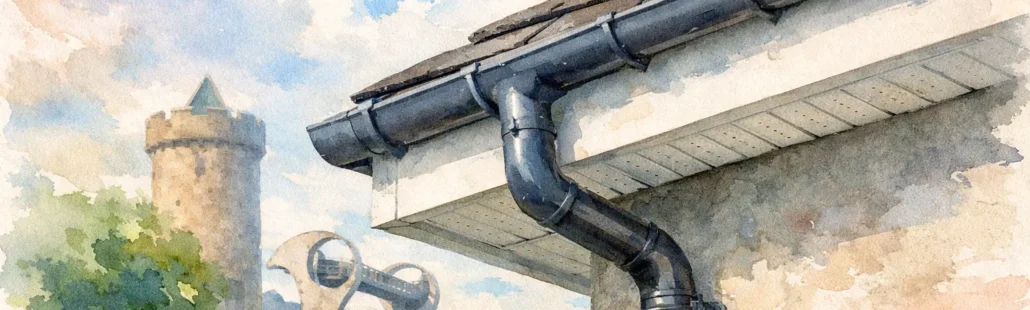
A blocked gutter may seem minor, but repeated overflow can saturate timber fascias, stain masonry and create damp patches inside the property. If your gutters are difficult to see from ground level, warning signs include water pouring over the sides during rainfall, vegetation growing from the guttering, or dark marks beneath the eaves.
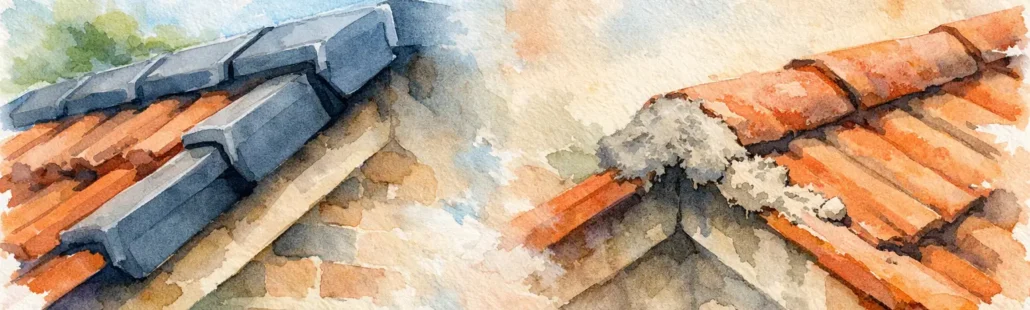
Autumn winds can also expose weak points left behind by the warmer months. A cracked tile, worn ridge mortar or lifted piece of flashing may hold in calm weather but fail when gusts drive rain up and under the roof covering. Chimneys are especially vulnerable, as deteriorated pointing, loose pots and damaged flashing allow water into areas where it can travel some distance before appearing indoors.
It is sensible to arrange a visual roof and gutter check after severe weather, particularly on older properties or homes surrounded by mature trees. Removing debris is useful, but it should not involve walking on a pitched roof without the right access equipment and experience.
Winter: Storms, frost and persistent damp
Winter weather is usually the hardest test for a roof in Falkirk. Long periods of rain can find any weakness in the roofline, while high winds put pressure on ridge tiles, verge sections, gutters and chimney details. Wind damage is not always dramatic. One slightly displaced slate or tile can be enough to let water reach battens, felt and roof timbers.
Frost creates a different issue. Water enters small cracks in mortar, brickwork, roughcasting or tiles, then expands as temperatures drop. Repeated freezing and thawing gradually widens those openings. This is one reason chimney stacks, ridge pointing and older roof edges can deteriorate faster than expected.
Snow is less frequent than rain, but it can still cause concern. Its weight is rarely a problem for a sound, well-maintained roof. The risk comes when snow melts slowly and water reaches defects that might not leak during a quick shower. Flat roofs are particularly dependent on clear outlets and sound seams, as standing water increases the chance of water ingress.
During winter, check your loft after prolonged rainfall. Look for damp insulation, dark marks on timbers, drips, a musty smell or daylight visible around roof penetrations. Do not assume a leak will remain small until spring. Wet insulation loses effectiveness, and damp timber can deteriorate if the source is left unresolved.
What calls for a prompt repair?
A missing or slipped tile, loose ridge tile, visible hole in a flat roof covering, overflowing gutter, active ceiling stain or water around a chimney breast should be assessed promptly. Temporary measures may limit further water entry, but a proper repair is needed to protect the roof structure and internal finishes.
Spring: The time to find what winter left behind
Spring often reveals the effect of winter storms. The weather may feel milder, but roof damage caused months earlier can become more obvious as materials dry out and homeowners spend more time outside. This is a practical time to inspect rooflines from ground level and arrange repairs before the next cycle of heavy weather.
Pay attention to gutters, downpipes and valleys. Winter debris may have formed a blockage, while wind can loosen brackets and joints. If water is not directed away from the property, it can affect brickwork, foundations and external finishes as well as the roofline itself.
Spring is also a good time to assess moss. Moss is common on shaded or north-facing roof slopes, particularly where moisture remains on the surface. It does not automatically mean a roof needs replacing, and aggressive cleaning can damage some tiles or slates. However, heavy growth can hold moisture, block gutters and lift tile edges over time. The right approach depends on the roof material, its age and the condition of the covering beneath the growth.
This is also when small exterior repairs can be dealt with together. A property with a roof repair, damaged chimney pointing and tired fascias may benefit from one planned programme of work rather than several separate visits. FK Roofing regularly helps property owners address related roofing and exterior building issues in a single, clearly scoped job.
Summer: Heat, UV exposure and hidden defects
Summer is often viewed as the easy season for roofs, but dry and warmer conditions can reveal problems of their own. Roofing materials expand and contract as temperatures change, especially on flat roofs and metal flashings. Over time, this movement can stress joints, seals and older felt coverings.
Strong sunlight can also age exposed flat roof materials. Blistering, cracking, splitting or loose edges may not cause an immediate leak, but they indicate that the covering needs professional attention. On a pitched roof, summer is useful for checking whether tiles and slates remain secure after the previous winter.
Dry conditions make summer an ideal time for planned maintenance and larger projects, such as a new roof installation, chimney repair, roof cleaning or replacement fascias and soffits. Work can often be scheduled with less weather disruption, although no contractor can guarantee rain-free days in Central Scotland.
Ventilation matters in summer too. A hot, poorly ventilated loft can contribute to condensation issues when temperatures later fall. Good roof ventilation is not about letting rain in or creating draughts. It is about allowing moisture in the roof space to escape while keeping the building weather-tight.
How Falkirk’s weather impacts your roof over time
The greatest issue is usually not one dramatic storm. It is repeated exposure. Rain works into small gaps, wind loosens vulnerable details, frost opens cracks, and moss holds moisture where it should be able to dry. A roof can appear broadly sound from the driveway while a localised weakness develops around a valley, chimney, skylight or roof edge.
Age and roof type matter. A traditional slate roof may last for decades when properly maintained, but individual slates, fixings and flashings can still need repair. Concrete tiles are durable but can crack or become displaced. Flat roofs need particular attention to drainage, surface condition and edge details. The right solution depends on the cause of the problem, not simply what is easiest to see.
Homeowners should also avoid treating every stain as proof that a whole new roof is required. Some issues are local repairs, such as replacing slipped tiles, renewing flashing or repairing a section of guttering. Others point to more widespread deterioration. A professional inspection provides clarity before money is committed to either option.
A sensible year-round maintenance routine
You do not need to inspect your roof every week. A simple routine after autumn leaf fall, after major winter storms and during dry spring or summer weather is normally enough to catch obvious concerns early. From the ground, look for uneven roof lines, missing tiles, sagging gutters, loose downpipes, cracked chimney mortar and water marks on walls or ceilings.
Keep vegetation clear where practical, make sure gutters can drain, and deal with leaks rather than waiting for a convenient season. If access is unsafe or the fault is not clear, bring in an experienced roofing contractor. A timely assessment can protect the roof, insulation, timberwork and rooms below it.
The weather will always test your property. Keeping an eye on the roofline and acting early gives you the best chance of keeping a small seasonal issue exactly that – small.