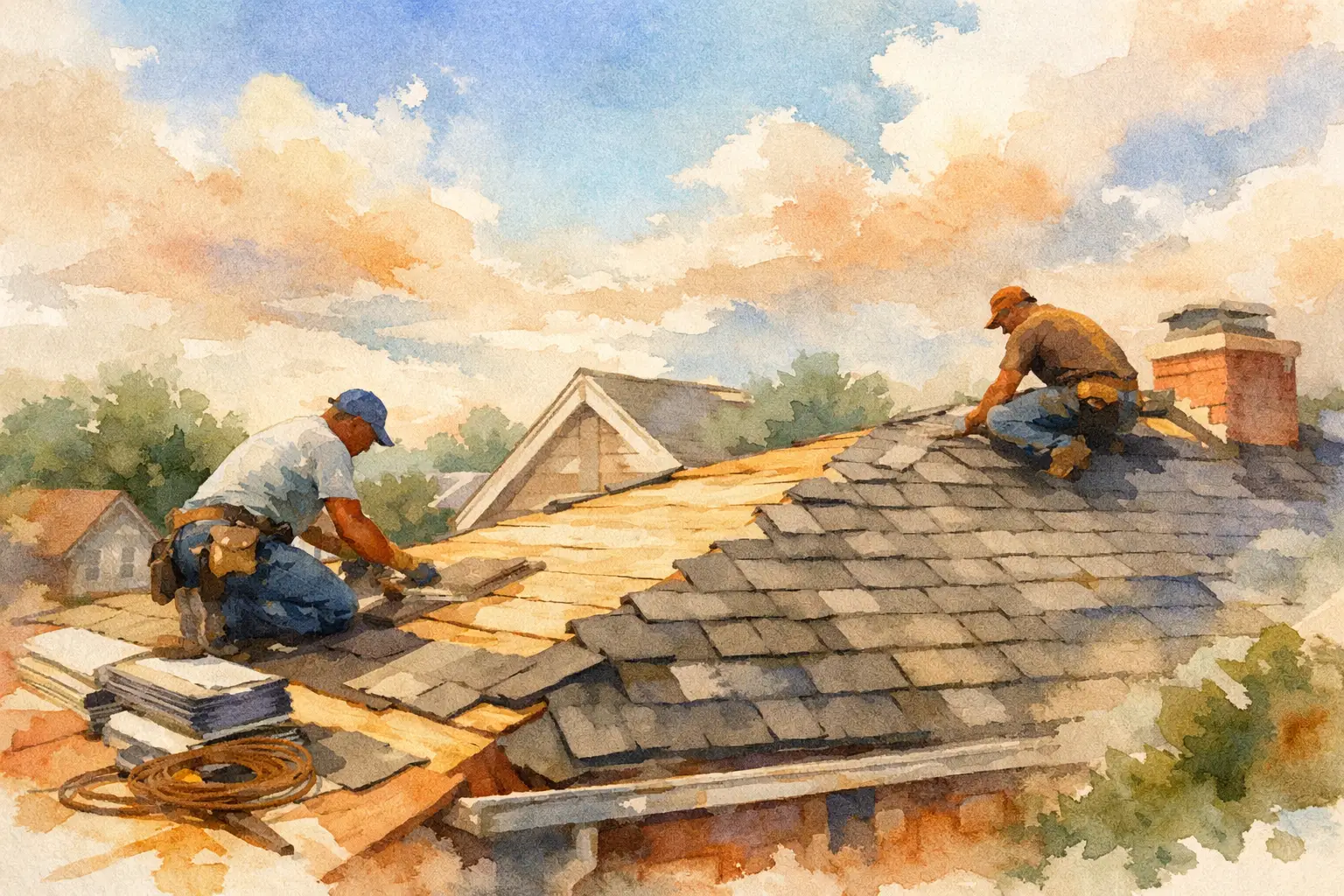
New Roof Installation Cost Explained
If you have started getting quotes and the figures are wider apart than expected, you are not alone. New roof installation cost can vary significantly from one property to another, even when two homes look similar from the street. The reason is simple: the roof covering is only part of the job, and the real price depends on what sits beneath it, how easy it is to access, and whether hidden issues come to light once work begins.
For most property owners, the key question is not just “How much is a new roof?” but “What am I actually paying for?” That is the better way to look at it. A proper roofing quote should reflect the full condition of the roof, the materials being used, the labour involved, and the standard of finish you can expect at the end.
What affects new roof installation cost?
The biggest factor is roof size, but it is far from the only one. A larger roof needs more tiles or slates, more battens, more membrane and more labour. That part is straightforward. Where costs start to shift is in the details.
Roof shape matters a great deal. A simple pitched roof is usually more economical to replace than a roof with multiple valleys, dormers, hips, chimneys or awkward junctions. Every change in angle or structure adds time and complexity, and roofing is labour-intensive work. More complex roofs also create more areas that need precise flashing and weatherproofing.
The material you choose has a direct impact as well. Concrete tiles are often a cost-effective option for many homes, while natural slate tends to come at a higher price due to both material cost and the skill required to install it properly. There is no single right answer here. A lower upfront cost may suit one property owner perfectly, while another may prefer a premium finish with a longer lifespan and a more traditional appearance.
Then there is the condition of the existing roof structure. Sometimes the old covering comes off and the timber beneath is sound. Sometimes it reveals rotten battens, damaged felt, sagging areas or water ingress around the eaves and chimney. This is one reason why very cheap quotes can be misleading. If a price does not allow for likely structural issues, it may not reflect the real cost of putting the roof right.
The parts of a roofing quote people often overlook
A new roof is not just tiles or slates laid across the top of a house. A proper installation usually includes stripping the old roof, disposing of waste, inspecting the roof deck or rafters, replacing underlay, fitting battens, installing the new covering, and making sure ridges, hips, leadwork and edges are all secure and watertight.
Scaffolding is another major element. On some properties it is relatively straightforward. On others, limited access, extensions, conservatories or neighbouring boundaries make it more involved. Scaffolding can form a noticeable part of the overall cost, but it is not an optional extra if the job is to be carried out safely and correctly.
You may also need replacement fascias, soffits or guttering at the same time. Not every roof project requires this, but it often makes practical sense to deal with ageing roofline components while access is already in place. The same applies to chimney repairs or repointing if those areas are contributing to leaks or deterioration.
Typical price ranges and why they differ
Many homeowners want a ballpark figure before arranging a visit, and that is understandable. The trouble is that broad averages only tell part of the story. A modest semi-detached property with a straightforward concrete tiled roof will usually cost far less than a large detached home with slate, chimney work and several roof features.
In general terms, a basic replacement on a smaller home may start in the low thousands, while larger or more complex roofs can move well beyond that. Once premium materials, structural repairs or extensive leadwork are involved, the total rises again. For light commercial properties, the pricing logic is similar, but flat roofing systems, insulation requirements and building use can all influence the final figure.
This is why a site visit matters. Two roofs of a similar size can produce very different quotes because one needs only a clean replacement and the other needs remedial work before the new covering can be installed with confidence.
New roof installation cost by material
Material choice affects appearance, durability and maintenance as much as price. Concrete tiles remain popular because they offer dependable performance at a sensible cost. They suit many modern and traditional properties, and they are often a practical balance between budget and longevity.
Clay tiles can cost more, but they are valued for their appearance and can be a strong choice on period-style homes or where planning considerations matter. Natural slate is typically at the higher end of the scale. It offers a distinctive finish and excellent lifespan when fitted properly, but the labour element is greater and that is reflected in the price.
For flat or low-pitch sections, systems such as felt, fibreglass or rubber each come with different cost profiles and performance benefits. The best option depends on the roof design, the expected lifespan, and how the space beneath is used. There is no benefit in fitting a premium system where a simpler one is suitable, but there is also little value in choosing the cheapest route if it means shorter service life or repeat repairs.
Why cheaper quotes are not always better value
When comparing prices, it helps to ask what is included rather than simply looking at the total. One quote may allow for full removal and replacement of underlay and battens, proper waste disposal, leadwork renewal and guaranteed workmanship. Another may appear cheaper because key items are omitted or vaguely described.
There is also a difference between a quick cover-over approach and a full new roof installation. In some cases, homeowners are offered partial solutions that reduce the immediate price but do not address the underlying condition of the roof. That can lead to further expense later, especially after heavy wind or prolonged rain.
Good value comes from a roof that is fitted properly, built to last and priced fairly for the work involved. That means clear paperwork, insured service, realistic timescales and no confusion over what happens if defects are found during the job.
When repairs make more sense than replacement
Not every ageing roof needs to be replaced immediately. If the problem is localised, such as a few slipped tiles, damaged flashing or a small leak around a chimney, a targeted repair may be the better option. A reliable contractor should be honest about that.
That said, repairs stop being cost-effective when issues become repeated, widespread or structural. If you are paying for one repair after another, the money can add up quickly without solving the bigger problem. In those situations, investing in a new roof often brings better long-term value, fewer call-outs and more peace of mind.
How to budget for a roof replacement
The most practical starting point is to arrange a proper inspection rather than relying on online estimates. A roof needs to be assessed in person to identify access needs, material requirements and any signs of hidden deterioration. From there, you can compare like-for-like quotes with more confidence.
It also helps to set aside a contingency. Even with a thorough survey, some issues only become visible once the old roof covering is removed. Allowing some headroom in your budget makes the process less stressful if timber repairs or additional leadwork are needed.
If your property has other external issues, there can be value in coordinating them at the same time. Roofline work, chimney repairs or roughcasting carried out alongside a new roof may save disruption and avoid repeated scaffold costs. That is often a sensible way for homeowners and landlords to approach larger external maintenance projects.
Choosing a contractor with confidence
Price matters, but trust matters more. A new roof is a major investment, and you need to know the work will be completed safely, professionally and to a standard that protects your property for years to come.
Look for a contractor who explains the scope clearly, answers questions directly and provides a written quote that sets out what is included. Guarantees, insurance and local experience all count for something, especially in places where the weather can test a roof quickly. For property owners across Falkirk and nearby areas, that practical, start-to-finish reliability is often just as important as the headline price.
FK Roofing works with homeowners, landlords and small commercial clients who want straightforward advice and dependable workmanship rather than guesswork. That is usually what makes the difference between a stressful roofing project and one that feels properly managed from day one.
A new roof is never a small purchase, but it should not be a confusing one either. Once you understand what drives the cost and what a proper installation includes, it becomes much easier to judge a quote on value, not just price.