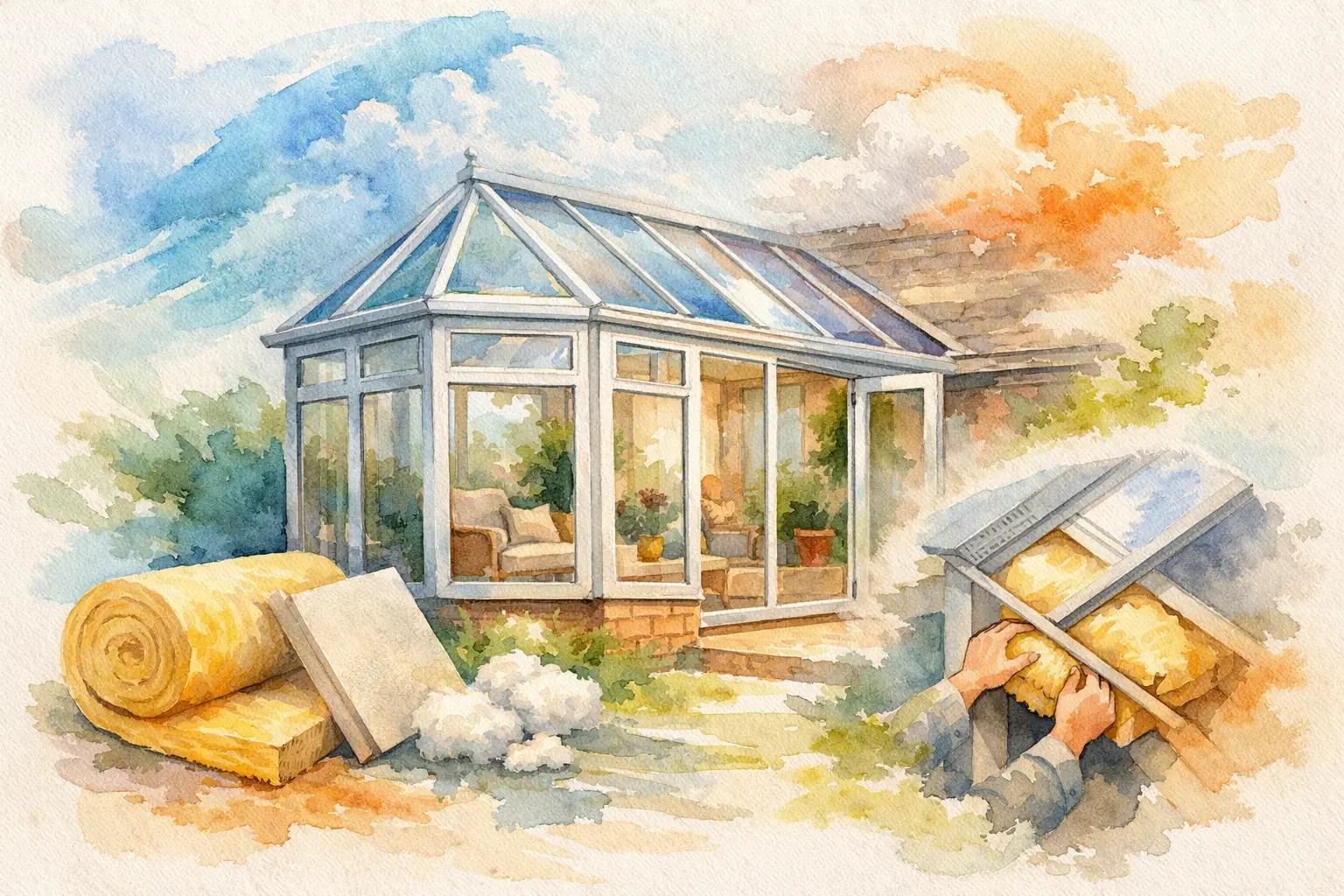
How to Improve Conservatory Insulation Properly
A conservatory should be a useful part of the home, not a room you avoid when the temperature drops. Yet many older conservatories in Central Scotland become uncomfortably cold in winter, too warm in summer and costly to heat. Knowing how to improve conservatory insulation starts with identifying where heat is escaping – and recognising when a simple upgrade is unlikely to solve the real problem.
The roof is usually the main issue. Glass and polycarbonate conservatory roofs allow a great deal of heat to pass through, while gaps around frames, worn seals and poorly insulated walls can make matters worse. The right solution depends on the age, structure and condition of the conservatory, as well as how you want to use the room.
Why conservatories lose heat so quickly
A traditional conservatory is built to admit daylight, but that does not automatically make it efficient. Polycarbonate roofing in particular provides limited insulation compared with a modern tiled roof. On a cold day, warm air rises and meets the cold roof surface, so heat is lost quickly. Condensation can also form when warm, moist air meets cold glazing or roof panels.
Single glazing, tired door seals and draughts around openings add to the problem. If the conservatory is open to the rest of the house, it can draw warmth from adjoining rooms too. This is why turning the heating higher often provides little long-term comfort and can lead to higher energy bills.
Before choosing an insulation method, look for obvious signs of heat loss: persistent condensation, cold draughts, discoloured or damaged roof panels, leaks, rattling in windy weather, and rooms that are difficult to warm. These symptoms can point to repair needs as well as insufficient insulation.
How to improve conservatory insulation at roof level
The greatest improvement usually comes from upgrading the roof. A roof conversion replaces an inefficient glazed or polycarbonate roof with a properly insulated, lightweight tiled system. This creates a far more stable indoor temperature and can make the conservatory feel like a genuine extension rather than a seasonal room.
A professionally installed insulated roof includes layers designed to limit heat loss, manage moisture and protect the structure from the weather. The exterior finish can be selected to complement the main house, while internal plasterboard and lighting create a more finished ceiling. Many homeowners find that the room becomes quieter in heavy rain as well as warmer in winter.
This is a more substantial investment than fitting blinds or insulation foil, but it addresses the largest source of heat loss. It is particularly worthwhile where the existing roof is ageing, noisy, leaking or difficult to maintain.
Check that the existing structure is suitable
Not every conservatory can take the same roof system without assessment. The frames, base, foundations and connections to the house must be checked to ensure they are sound and capable of supporting the proposed upgrade. A reputable contractor will inspect these elements before recommending a conversion.
This matters because adding weight to a weak or poorly built structure can create expensive problems later. In some cases, repairs to the frames, roof supports, flashing or guttering should be completed before insulation work begins. A proper survey helps ensure the job is planned as a lasting improvement, not a cosmetic fix.
Consider replacement glass where a full conversion is not required
If you want to retain a glass roof and maximum natural light, high-performance replacement glazing may improve comfort. Modern roof glass can reduce solar gain, retain more internal warmth and limit glare better than older units.
However, glazing alone will rarely match the thermal performance of a solid insulated roof. It can be a sensible option for a newer conservatory in good condition, especially where brightness is the priority. For a room that is cold for much of the year, a roof conversion is normally the more effective solution.
Deal with draughts, glazing and weak points
Once the roof has been assessed, attention should turn to the rest of the conservatory. Heat can escape through small gaps that are easy to overlook. Worn rubber seals around doors and windows, damaged hinges, cracked panels and failed double-glazed units all reduce the room’s ability to hold warmth.
Replacing seals and repairing faulty openings can make an immediate difference. Doors should close securely without visible gaps, and windows should not rattle or allow water ingress. If double-glazed units are misted between the panes, the seal has failed and the unit is no longer performing as intended.
Insulated plasterboard can sometimes be fitted to suitable dwarf walls or solid sections of the conservatory. This can reduce cold surfaces and improve the feel of the room, but care is needed around ventilation and moisture. Covering over damp, cracked or unstable walls is not a solution. Any leak, failed pointing or external defect should be repaired first.
Use blinds and heating as supporting measures
Thermal blinds, lined curtains and roof blinds can help reduce heat loss after dark. They are useful additions, particularly on north-facing conservatories or rooms with large areas of glazing. They also offer privacy and can reduce glare during brighter months.
They should not, however, be treated as a replacement for proper roof insulation. Blinds slow heat loss but do not alter the thermal performance of the roof itself. The same applies to portable heaters. They may take the chill off for a short period, but they can be costly to run in a room that is constantly losing heat.
If the conservatory has been upgraded and is used regularly, a suitably sized radiator, underfloor heating or another fixed heating option can be considered. The best choice depends on the room size, flooring, existing heating system and how often the space is occupied. A heating professional can advise on safe installation and suitable controls.
Do not overlook ventilation and condensation
A warmer conservatory still needs controlled ventilation. Without it, moisture from cooking, drying clothes, plants and everyday living can collect on cold surfaces. Condensation can encourage mould, damage finishes and make the room feel damp.
Opening trickle vents where fitted, ensuring windows operate properly and avoiding blocked air paths all help. If condensation is severe, it is worth investigating whether there is a roof leak, failed glazing unit or inadequate ventilation elsewhere. A dehumidifier can provide temporary support, but it will not repair a building defect.
An insulated roof can reduce condensation by keeping internal surfaces warmer, although good ventilation remains essential. This balance is one reason why professional installation is preferable to attaching insulation boards beneath an existing roof without considering airflow, fixings and moisture control.
Avoid quick fixes that can create bigger problems
Reflective insulation foil, stick-on panels and DIY roof linings are often marketed as low-cost answers. Some may provide a modest improvement, but they can also trap condensation against roof panels, obstruct drainage or conceal leaks. Poorly fitted materials can look untidy and may affect light levels without delivering meaningful warmth.
Spray foam should also be approached with caution. It can make future roof inspections and repairs more difficult, and it is not a substitute for a designed conservatory roof system. If the roof is leaking, cracked or structurally tired, repair or replacement should come before any insulation layer.
The most cost-effective route is not always the cheapest first step. Spending money on blinds, foil or extra heating while an old polycarbonate roof continues to lose heat may simply delay the proper solution.
Choose an upgrade that suits how you use the room
A conservatory used only on occasional sunny afternoons may need little more than repairs, draught-proofing and good blinds. A room used as a dining area, home office, playroom or everyday sitting space deserves a higher level of thermal performance.
For homeowners who want year-round comfort, an insulated roof conversion is often the clearest route forward. It can improve warmth, reduce rain noise, limit overheating and give an ageing conservatory a more permanent finish. FK Roofing can assess the existing roof and structure, explain the available options clearly and provide a free, no-obligation quote for suitable conservatory roof work.
A comfortable conservatory begins with a sound, weatherproof structure. Address the roof and any repair issues first, then use glazing upgrades, draught-proofing and blinds to build on the result.