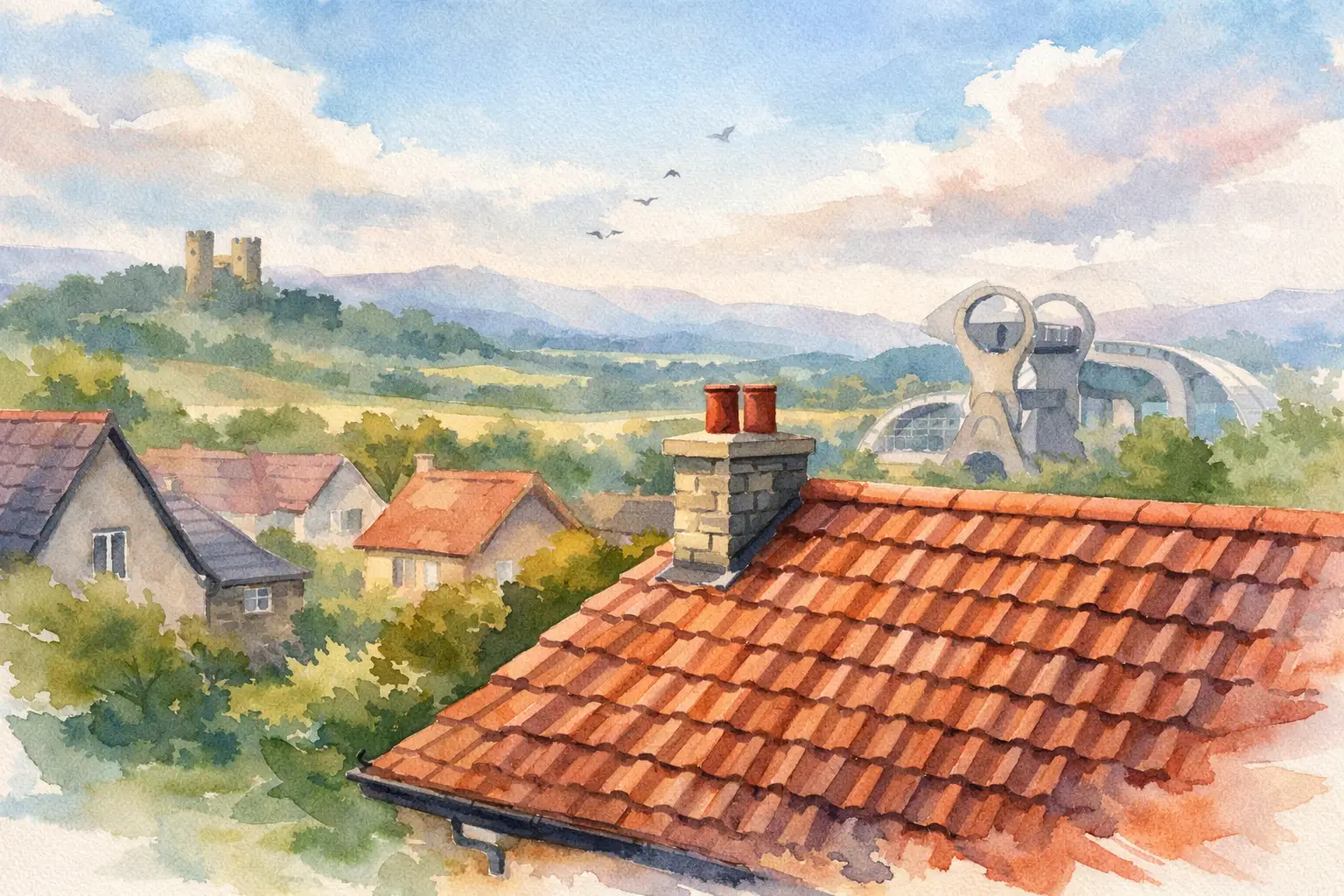
How Much Does a New Roof Cost in Falkirk 2026?
If you are asking how much does a new roof cost in Falkirk in 2026, you probably are not shopping for a luxury upgrade. More often, it starts with slipped tiles, damp in the loft, recurring repair bills, or a roof that has simply reached the end of its working life. At that point, the real question is not just price. It is what you are actually paying for, what can push the cost up, and whether replacing the roof now will save you money and stress later.
For most homeowners, a new roof in 2026 is likely to cost anywhere from around £4,500 to £14,000 or more, depending on the size of the property, the roof shape, the materials used, and the condition of the structure underneath. A straightforward replacement on a smaller terraced house will sit at the lower end. A larger detached home, a complex roofline, or any hidden timber damage can move the figure up quickly.
How much does a new roof cost in Falkirk in 2026?
There is no single fixed price because roofing is never one-size-fits-all. As a rough guide, a small terraced house may fall between £4,500 and £6,500 for a full replacement using standard concrete tiles. A typical semi-detached property may come in around £6,000 to £9,000. A larger detached house often starts around £8,500 and can go well beyond £12,000, especially if scaffolding, chimney work, leadwork, and upgraded insulation are part of the job.
For bungalows, the access can be easier, but the roof area is often larger than people expect. That means prices can be similar to, or sometimes higher than, a two-storey home with a smaller footprint. If the property has dormers, valleys, hips, skylights, or extensions tied into the main roof, the labour time increases and so does the cost.
These figures are useful for budgeting, but they are still broad estimates. A proper quote depends on a site inspection, because what looks like a simple re-roof from the ground can reveal a very different picture once the old covering comes off.
What you are actually paying for
When people compare quotes, they sometimes focus only on the visible finish – slate or tile, colour, and overall appearance. In reality, a large part of the cost sits underneath the outer covering. A new roof is not just the tiles you can see from the street.
Most full roof replacements include stripping off the old material, disposing of waste, checking the roof timbers, fitting new breathable membrane, replacing battens, and then installing the new tile or slate covering. Ridge tiles, verge details, flashings, vents, and associated leadwork may also need to be renewed. Scaffolding is usually a major part of the total as well, and that alone can make a noticeable difference to the price.
If your roofer finds rotten sarking, damaged rafters, poor previous repairs, or long-term water ingress, those issues need dealt with before the new roof goes on. That adds cost, but it also protects you from paying for cosmetic work over a failing structure.
Typical price ranges by roof type
Concrete tiled roofs are usually the most budget-friendly option for many homes. They are durable, widely used, and often suit modern replacements well. Natural slate tends to cost more because the material itself is dearer and installation can be more labour-intensive. If you are matching an existing character property, though, slate can be the right choice both visually and practically.
A flat roof replacement is different again. A small garage or extension flat roof may cost a few thousand pounds, while a larger flat roof on a residential or light commercial building can rise significantly depending on the waterproofing system used. Felt, EPDM rubber, and fibreglass all carry different price points and life expectancies.
Why prices vary so much from one house to another
The biggest cost factor is usually size, but complexity matters almost as much. A simple duo-pitch roof is faster and easier to strip and retile than one with several ridges, valleys, junctions, and chimney stacks. More detail means more labour, more cutting, and more finishing work.
Access is another major factor. If the property is awkward to scaffold, sits close to neighbouring buildings, or has restricted access for materials and waste removal, the job can take longer and cost more. In parts of Falkirk and nearby towns, older streets and tighter plots can make a difference here.
Material choice also shapes the final figure. Concrete tiles may keep the budget under better control, while slate can increase the total. Premium fittings, dry ridge systems, upgraded ventilation, and insulation improvements all add value, but they also increase the initial outlay.
Then there is the condition of the existing roof. If the timbers are sound and the previous installation has aged evenly, the replacement is usually more straightforward. If there has been a leak around the chimney for years, or if storm damage has been patched repeatedly, there may be more remedial work than expected.
Labour, materials, and 2026 pricing pressure
Roofing costs in 2026 are shaped by more than the roof itself. Material prices have been affected over recent years by supply costs, manufacturing pressures, and transport. Labour rates have also moved, particularly for experienced tradespeople with a strong local reputation and insured, guaranteed work.
That means very cheap quotes should be treated carefully. A lower figure is not always better value if key elements have been left out, waste removal is unclear, or the workmanship standard is questionable. A roof is one of the most important parts of the property, so it makes sense to look at what is included rather than comparing numbers in isolation.
A well-prepared quote should explain the scope clearly. You want to know whether scaffolding is included, what underlay and battens are being used, whether lead flashings are replaced or reused, and what happens if damaged timbers are found. That level of detail helps avoid nasty surprises once the work starts.
Should you repair or replace?
This is where many property owners hesitate, and fairly enough. If the roof only has a few slipped tiles or a localised leak, a repair may be the sensible option. But if the roof is ageing across the whole surface, has recurring leaks, or has needed repeated patch jobs over the last few years, replacement can be more cost-effective in the long run.
Paying £400 here and £700 there may feel easier than committing to a full reroof, but those repairs add up. More importantly, they do not always solve the root problem if the covering is generally worn out. A new roof gives you a fresh start, improved weather protection, and better confidence that the property is protected for years ahead.
Signs a full replacement may be the better choice
If tiles are brittle, underfelt is failing, ridges are loose, or leaks keep returning in different areas, it is usually worth getting the whole roof assessed. Moss build-up, sagging roof lines, daylight visible in the loft, or signs of long-term damp around the upper ceilings can also point to a bigger issue than a simple repair.
Landlords and owners planning to sell should think practically too. A roof nearing the end of its life can affect buyer confidence, survey results, and future maintenance costs. Replacing it before it becomes urgent often gives you more control over timing and budget.
How to budget sensibly for a new roof
Start with a realistic range rather than hoping for the lowest possible figure. For many homes, allowing a budget of £6,000 to £10,000 is a sensible starting point, then adjusting based on property size and material choice. It is also wise to keep a contingency aside in case hidden structural issues are uncovered during the strip-off.
Ask for a written quote with clear inclusions and exclusions. A professional contractor should be able to explain the recommended system, the likely timescale, and any optional extras that may improve the finish or lifespan. If you are comparing two or three quotes, compare them line by line, not just by total price.
It also helps to think beyond the roof covering alone. Guttering, fascias, soffits, chimney repairs, and loft ventilation are often easier to address while scaffolding is already in place. Combining related external work can sometimes be more efficient than arranging separate jobs later.
What a good roofing quote should tell you
A reliable quote should leave you clear on the work, not guessing. It should outline the roof area being replaced, the material specification, scaffold provision, waste removal, labour, and any guarantees. If there are provisional costs for timber repairs or chimney work, that should be stated plainly.
This is where choosing an established local contractor matters. A company used to working across Falkirk and surrounding areas will understand the common roof types, the weather exposure, and the practical needs of local property owners. If you speak to a firm like FK Roofing, the value is not just in getting a number. It is in getting a realistic assessment and a clear plan from start to finish.
A new roof is a significant investment, but it is also one of the most worthwhile ones you can make when the existing roof is no longer dependable. The right time to ask about cost is before a small problem turns into internal damage, emergency callouts, and bigger repair bills than you expected.