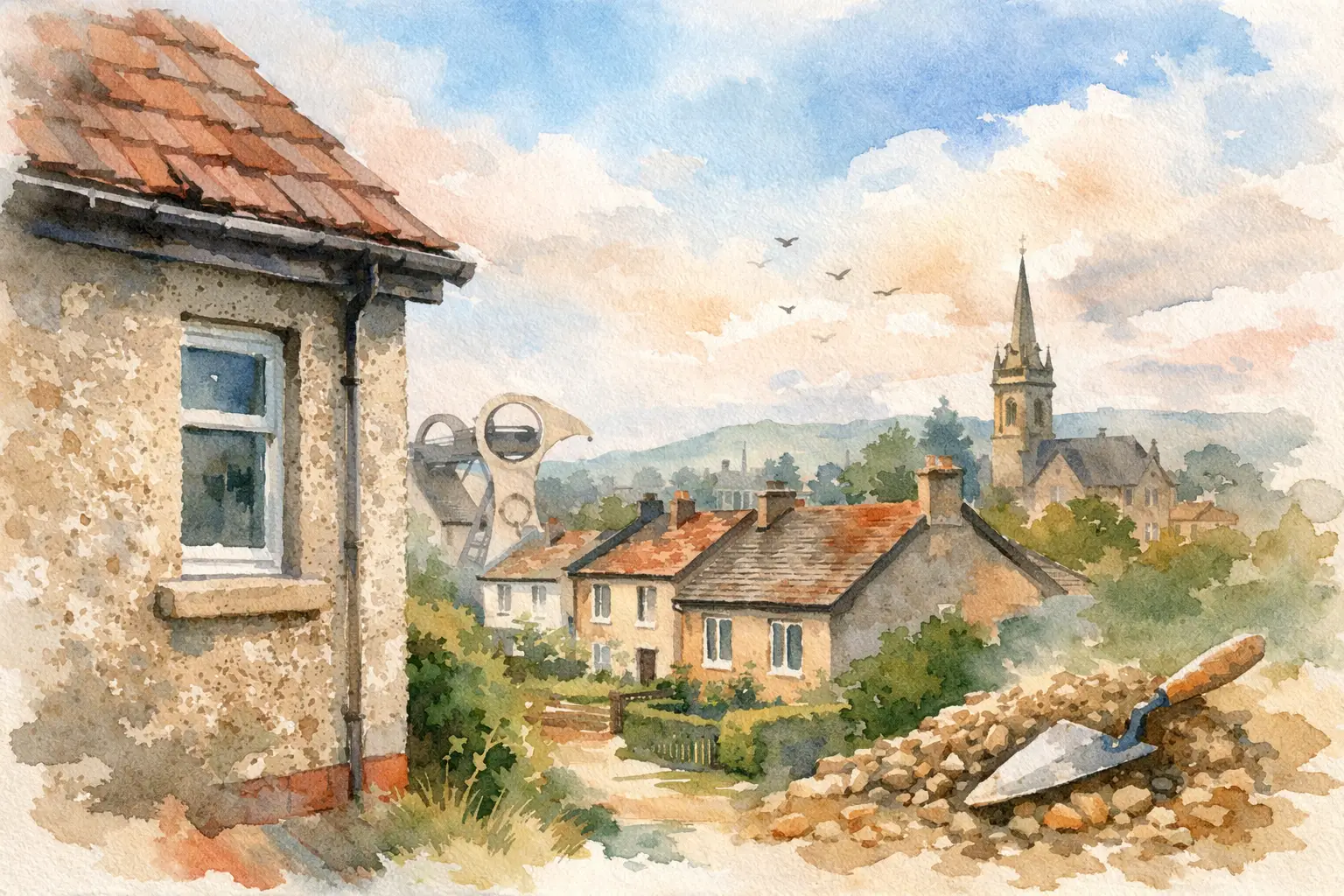
Everything You Need to Know About Roughcasting in Falkirk
A tired exterior usually shows its age long before the roof gives up. Cracks in the render, patches of damp, blown areas around windows and a finish that has simply seen better days are often the first signs that a property needs attention. If you are looking for everything you need to know about roughcasting in Falkirk, the key thing to understand is that roughcasting is not just about appearance – it is a protective outer layer that helps your home stand up to Scottish weather.
In a place where wind-driven rain is part of normal life, external wall protection matters. A well-applied roughcast finish can improve weather resistance, freshen up the look of a property and reduce the risk of ongoing wall damage. Done badly, though, it can crack, trap moisture or start failing far sooner than it should.
What roughcasting actually does
Roughcasting is an external wall finish made by applying a wet render coat and embedding or throwing an aggregate onto the surface. You will see it on homes across Falkirk and the wider Central Belt because it suits the climate and works well on many traditional and modern properties.
Its job is partly visual, but protection is the bigger reason people choose it. Roughcasting shields the wall underneath from rain and general exposure. It can also help cover uneven masonry and give older homes a cleaner, more consistent finish.
That said, roughcasting is not a cure-all. If a wall has structural movement, severe damp from another source or damaged masonry underneath, those issues need sorted before any new finish goes on. A good contractor will always look at the condition of the wall first rather than simply covering over the problem.
Everything you need to know about roughcasting in Falkirk – why local conditions matter
Scottish weather is hard on external surfaces. Frequent rain, frost, temperature changes and general moisture exposure all put pressure on render systems. That is one reason roughcasting remains such a popular choice in Falkirk. It is a practical finish for local conditions when it is specified and applied properly.
The age of the property also matters. Older homes may have solid walls that need breathable materials and careful preparation. Newer buildings can often take more modern systems, but they still need the right mix, the right finish and the right workmanship. There is no single roughcasting solution that suits every building.
This is where experience counts. A contractor who understands local housing stock will know that a roughcast job on a traditional stone property is very different from work on a more modern cavity wall home or a small commercial building.
Signs your property may need roughcasting work
Sometimes the need is obvious. Large cracks, loose sections and areas where the finish has come away from the wall are clear warning signs. In other cases, the problem builds more slowly.
You may notice staining, damp patches internally, crumbling around openings, or roughcast that sounds hollow when tapped. Faded and heavily weathered finishes can also indicate that the protective outer layer is reaching the end of its life. If pieces are beginning to detach, it is best not to leave it. Water can quickly get behind weak areas and make the repair more expensive.
Not every issue means a full replacement is needed. Small isolated defects can sometimes be repaired. If failure is widespread, however, patching may only buy time and may leave the property with an uneven finish.
Repair or full replacement?
This is one of the most common questions from homeowners, and the honest answer is that it depends on the extent of the damage. If the roughcast is mostly sound and only a few areas have failed due to impact damage or localised wear, repairs can be a sensible option.
If cracking is widespread, multiple elevations are affected, or the existing finish has poor adhesion, replacement is often the better long-term investment. Repeated patch repairs can add up, and colour matching older roughcast is not always straightforward. Even where a repair is technically possible, it may still be visible.
A proper site inspection should look at the substrate, the age of the finish, moisture issues and whether the original roughcast was applied correctly in the first place. There is no value in repairing a system that is failing across the board.
The roughcasting process
A quality result starts long before the final coat goes on. Preparation is what often separates a durable job from one that starts cracking far too soon.
First, the wall surface needs to be assessed and prepared. Loose or damaged material is removed, defects in the underlying wall are addressed and the background is made ready to receive the new finish. Depending on the property, this may involve repairs to masonry, corners, lintel areas or other external details.
The render coats are then applied in stages, with the chosen aggregate finish added to create the final texture. Drying times matter. Weather conditions matter too. Rushing the job or applying materials in poor conditions can affect strength, adhesion and appearance.
Once complete, the property should have a consistent, weather-resistant finish that complements the building rather than looking overly heavy or out of place.
Choosing the right finish and colour
Roughcast is not one standard look. The size and type of aggregate, the mix used and the colour chosen all affect the final result. Some homeowners want a finish that matches the existing character of the property. Others are looking for a cleaner, more updated appearance.
A lighter colour can freshen up a tired exterior, but it may show dirt more quickly in exposed areas. Darker shades can look smart and modern, though they may highlight unevenness if the wall preparation is poor. Texture matters as well. A coarser finish can be forgiving on older walls, while a finer finish can look neater on more contemporary homes.
The best choice is usually the one that suits both the building and the level of exposure. It is worth thinking about the long term rather than picking a finish purely from a sample.
How much does roughcasting cost?
Cost depends on the size of the property, the condition of the existing walls, ease of access and whether repairs are needed before the new finish is applied. A straightforward job on a well-prepared exterior will naturally cost less than a project involving removal of failed roughcast, extensive repairs and difficult scaffold access.
The cheapest quote is not always the best value. With roughcasting, poor preparation is where corners tend to be cut. A lower price can sometimes mean less wall repair, weaker materials or rushed application. Those savings disappear quickly if the finish starts failing early.
A clear, no-obligation quote should explain the scope of work properly, including preparation, repairs, materials and the finish being applied. That makes it easier to compare like for like.
What to look for in a contractor
Roughcasting affects both the appearance and weather protection of your property, so this is not a job to hand over lightly. You want a contractor with proven exterior building experience, proper insurance and a clear process from survey to completion.
Ask how they assess the wall condition, what preparation is included and whether any underlying defects will be addressed before roughcasting starts. It is also sensible to ask about guarantees, timescales and how they manage disruption around windows, doors and paths.
For many property owners, the real benefit is hiring a contractor who can also deal with related exterior issues at the same time. If there are roofing defects, chimney problems, cracked fascias or lintel concerns contributing to wall deterioration, it often makes sense to tackle them together rather than in separate jobs.
Looking after roughcast once it is done
Roughcasting is low maintenance, but not no maintenance. It still needs the occasional visual check, especially after heavy weather. Small cracks, impact damage and staining are easier to deal with early.
Keep an eye on joints around windows and doors, and make sure gutters and downpipes are working properly. Overflowing rainwater goods can soak walls and shorten the life of any external finish. Moss and dirt build-up may also need attention over time, but cleaning should be done carefully to avoid damaging the surface.
If you notice changes in the finish, it is worth having them checked rather than waiting for sections to loosen or moisture to get in.
Is roughcasting the right choice for your property?
For many homes in Falkirk, the answer is yes. It is durable, practical and well suited to the local climate. It can also make a significant difference to kerb appeal when a property is looking worn or dated.
But it still has to be the right system for the building. Some properties need a more breathable approach. Others may only require targeted repairs rather than a full new finish. The right answer comes from looking at the condition of the walls, the age of the property and the problems you are actually trying to solve.
If you are weighing up roughcasting work, focus on long-term protection rather than a quick cosmetic fix. A properly assessed and properly applied finish should do more than improve how your home looks from the street – it should help protect it through many more Falkirk winters.