Emergency Roof Repair Alloa – Safe First Steps
A wet patch spreading across a bedroom ceiling, slates scattered in the garden or water running down an internal wall are not problems to leave until the weekend. In Central Scotland, heavy rain and high winds can turn a small weakness into a serious leak quickly. When you need emergency roof repair Alloa property owners can depend on, the first priority is keeping people safe and stopping further damage while a professional assesses the roof.
A damaged roof does not always mean a full replacement is required. A slipped tile, failed flashing, cracked ridge mortar or blocked valley can often be repaired effectively when identified early. The difficulty is knowing what has happened without putting yourself in danger – and knowing when a temporary measure is enough and when the roof needs more urgent work.
Make the Property Safe Before Anything Else
Do not climb onto a roof during rain, strong winds, darkness or icy conditions. Even an apparently simple repair becomes dangerous when slates are wet, gutters are overflowing or the roof structure has been weakened. A ladder should never be the first response to a leak.
Inside, move furniture, electrical items and valuables away from the affected area. Place buckets or a waterproof container beneath active drips, then protect flooring with towels or sheets. If water is close to a light fitting, socket or electrical cable, avoid touching it and switch off the relevant circuit only if it is safe to do so from the consumer unit.
A ceiling that is bulging or visibly holding water needs particular caution. It may indicate a substantial amount of water above the plasterboard. Keep people out of the room and arrange professional help rather than attempting to puncture or drain the ceiling yourself. The visible leak is often not directly below the point where rain entered, as water can travel along timbers, insulation and roof lining before it appears indoors.
What Counts as an Emergency Roof Repair in Alloa?
An emergency is not defined only by the size of the hole in the roof. It is defined by the risk of water getting into the property, roof materials falling, or a structural issue becoming worse with the next spell of weather.
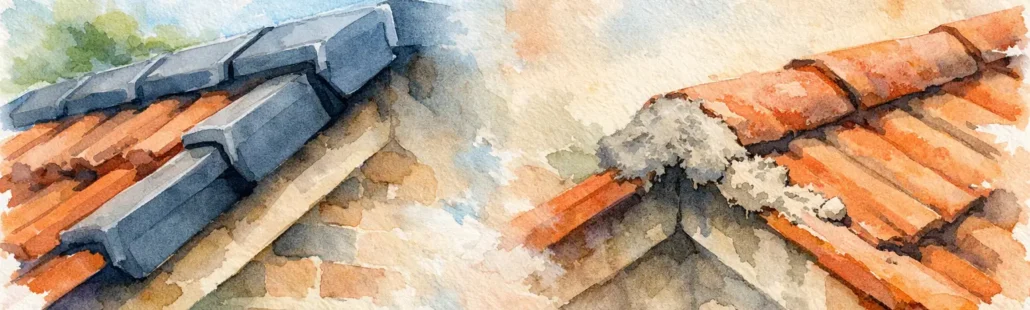
Typical urgent problems include storm-damaged or missing slates and tiles, loose ridge or verge tiles, broken lead flashing around a chimney, a leaking flat roof, damaged roof valleys and water entering around roof windows. Fallen branches, cracked chimney pots and loose masonry also require prompt attention, particularly where debris could fall onto a path, driveway or neighbouring property.
Some issues can look less dramatic but still need quick action. A small stain on the ceiling after rainfall may point to a gradual leak that has already dampened insulation or timber. Moss and blocked gutters are not normally emergencies on their own, but if they are forcing water under the roof edge or causing gutters to overflow into walls, they can lead to damage that needs addressing promptly.
It depends on the condition of the roof and the weather forecast. A single slipped slate on a sheltered roof may be a straightforward repair. Several missing slates before a period of wind-driven rain are a different matter entirely.
Record the Damage From the Ground
If it is safe to do so, take clear photographs from ground level. Include any fallen materials, visible gaps, damaged gutters, chimney defects and internal water marks. This provides a useful record for the roofer and may help if you need to speak with your insurer.
Avoid moving fallen slates, tiles or pieces of lead until photographs have been taken, unless they present an immediate hazard. Keep children, visitors and pets away from the affected area. If a loose item is above a public pavement or there is an immediate danger to others, contact the appropriate emergency service or local authority as well as arranging roofing assistance.
When reporting the problem, explain when you first noticed it, whether water is entering the property, which rooms are affected and what caused the damage if known. Mention recent storms, impact damage or ongoing issues around a chimney, valley or flat roof. Accurate details help a roofer arrive prepared with suitable materials for making the roof weather-tight.
Temporary Protection Has a Purpose – But It Is Not the Repair
In poor weather, the first site visit may focus on preventing further water ingress. Depending on the fault and conditions, that may involve securing loose materials, clearing a critical drainage blockage, fitting a temporary covering or making an exposed area safe. This can be the right immediate solution, but it should not be mistaken for a permanent repair.
A proper follow-up inspection is needed once the roof can be examined safely. The roofer should identify why the material failed, not simply replace what is visible from the ground. For example, a slate may have slipped because its fixing has corroded, while a leak beside a chimney may be caused by deteriorated flashing rather than the roof covering itself.
This is where experience matters. Replacing a few tiles is relatively quick, but repairing the wrong area can leave the real fault untouched. A sound repair considers the roof covering, battens, underlay, flashing, mortar, drainage and adjoining features such as chimneys and roofline boards.
Why Fast Repairs Protect More Than the Roof
Rainwater entering through a roof can affect much more than plaster and paint. Prolonged damp can saturate loft insulation, reduce its effectiveness and encourage mould growth. Timber rafters and joists can deteriorate over time if moisture is allowed to remain trapped. Water can also track into walls, damage finishes and create problems around electrical installations.
For landlords and small commercial property owners, a prompt response can also reduce disruption for tenants or customers. A leak in a hallway, office, shop unit or communal area is not just a maintenance concern. It may create a slip hazard and affect normal use of the building.
There is a cost consideration too. Emergency work can be more involved than a planned repair because it may require immediate access, temporary protection and a return visit. However, delaying necessary work to avoid that cost can allow a limited repair to develop into damaged insulation, rotten timbers or a larger section of roof replacement. The sensible approach is to ask for a clear assessment of what needs doing now, what can wait safely and what the permanent repair is likely to involve.
Questions Worth Asking Your Roofer
A reliable contractor should explain the fault in straightforward terms and set out the recommended repair before work begins. Ask whether the repair is temporary or permanent, what materials will be used and whether there are related issues that should be addressed at the same time.
It is also reasonable to ask about insurance, workmanship guarantees and the expected timescale. If a chimney, fascia, soffit or gutter has contributed to the leak, dealing with it during the same project can prevent repeat call-outs. This is often more practical than appointing separate trades for each external defect.
Be wary of anyone who pressures you into a complete new roof without a clear inspection or explanation. Equally, do not accept a quick patch as a lasting answer if there are signs of widespread failure. The right option should match the actual condition of the roof, its age and the extent of the damage.
Preventing the Next Urgent Call-Out
No roof is completely immune to severe weather, but routine care reduces the chance of a surprise leak. A periodic visual check from the ground can reveal slipped tiles, sagging gutters, damaged pointing or heavy moss growth before water gets inside. After strong winds, look for debris in the garden and check whether gutters, downpipes and roof edges appear intact.
Older roofs benefit from professional inspection before small defects become expensive ones. Chimney flashing, valleys, ridge mortar and flat-roof edges are common weak points because they manage water at junctions rather than across a simple slope. Keeping gutters clear also matters, especially where leaves and moss collect during autumn and winter.
FK Roofing can assess urgent damage and wider exterior issues together, helping property owners deal with the immediate leak while planning sensible repairs for the rest of the building. The aim is always a safe, weather-tight result with clear advice and no unnecessary work.
When rain is coming through the ceiling, the right response is calm and practical: protect the room, stay off the roof, document what you can and arrange an experienced inspection. Acting early gives a repair the best chance of remaining just that – a repair.