Benefits of Local Falkirk Roofers vs National Firms
A slipped tile after a night of wind, a damp patch spreading across a bedroom ceiling, or mortar falling from a chimney stack rarely feels like a job that can wait. That is where the benefits of hiring local roofers in Falkirk instead of national companies become clear. You are not simply choosing a name from an advert. You are choosing who will assess the problem, explain the options, carry out the work and remain accountable if you need help afterwards.
A national company may have a polished website and a large call centre, but roofing work is local by nature. The weather, property styles, access restrictions and common building issues vary from place to place. For homeowners, landlords and small commercial property owners, a capable local contractor can offer practical advantages that go well beyond distance.
Faster attendance when a roof problem cannot wait
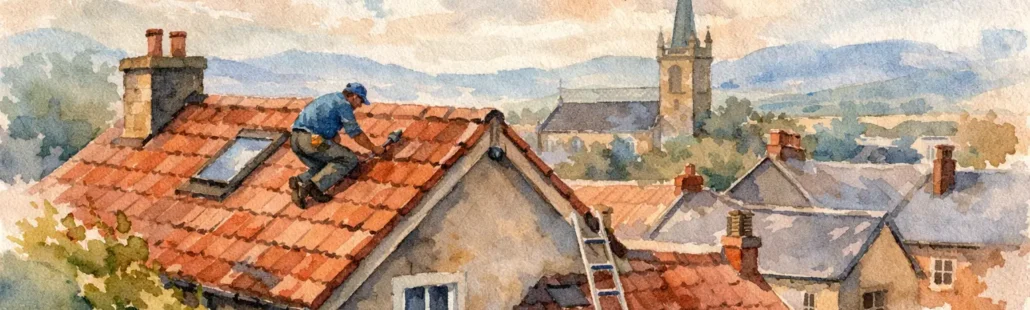
A roof leak does not respect office hours. Water can move along timbers, insulation and ceilings before it becomes visible indoors, meaning a small external fault may cause more damage than first expected. Local roofers are better placed to attend promptly, inspect the affected area and make the property safe where necessary.
That does not mean every repair can be completed immediately. Heavy rain, high winds, supplier availability and safe access all affect the timescale. However, a nearby team can often provide an earlier inspection, temporary weather protection where appropriate, and a realistic plan for permanent repairs. There is less reliance on a remotely scheduled subcontractor travelling from another region.
For properties in Falkirk, Grangemouth, Bonnybridge, Stirling and the surrounding area, local availability also makes follow-up visits easier to arrange. If an issue needs further investigation after the roof has dried out, or a repair needs checking following severe weather, the contractor is already operating nearby.
Local roofers understand local properties and weather exposure
Central Scotland homes come in many forms: traditional stone buildings, older terraced properties, modern estates, cottages and light commercial units. Each can have different roof pitches, chimney details, drainage arrangements and exterior finishes. A roofer who works on these properties regularly is familiar with the types of faults that tend to appear.
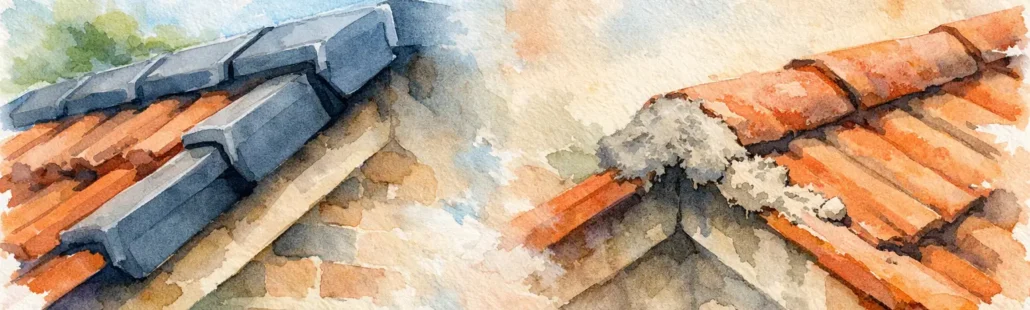
Wind-driven rain, repeated freeze-thaw cycles and blocked gutters can all put pressure on a roof. On older properties, worn leadwork, failing pointing, cracked render or deteriorating chimney mortar may be connected to the apparent roofing problem. A local contractor is more likely to look at the whole external envelope rather than treating the visible symptom alone.
This matters because a repair should address the cause. Replacing a few tiles may be the right answer when they have been dislodged by wind. It will not solve moisture entering around a chimney, damaged flashing or a poorly directed gutter. Good local roofers explain what they have found in straightforward terms, identify what is urgent and set out the sensible options.
One contractor for connected exterior repairs
Roofing problems are not always confined to the roof covering. Loose fascias and soffits can affect ventilation and gutter support. Damaged roughcasting can let moisture into walls. Chimney defects can create risks above the roofline, while a failing lintel may need building work rather than a roofing-only solution.
Using a contractor with wider exterior building experience can save time and reduce the chance of separate trades passing responsibility between one another. FK Roofing can assess roofing, chimney and related exterior building issues as part of the same project, giving property owners a clearer route from first inspection to finished work.
The benefits of hiring local roofers in Falkirk: clearer accountability
With any roofing project, trust is built through the work itself. You need to know who is attending your property, what is included in the quotation, how the job will be managed and what happens if you have a question once the work is complete. Local businesses depend on their reputation in the communities they serve, so clear communication and reliable aftercare are not optional extras.
A national brand may use local installers, and some do provide a good service. The trade-off is that the person who took your enquiry, the person who surveys the job and the team carrying out the work may all be different. If there is a query, you may need to go through a central office before reaching the people who know your roof.
With a local contractor, the chain is usually shorter. The surveyor or project contact can often speak directly with the team completing the work. That makes it easier to clarify changes, discuss access, agree timing around tenants or business operations, and deal with unexpected findings without unnecessary delay.
Accountability should still be checked rather than assumed. Ask whether the contractor is insured, whether workmanship is guaranteed, what the quote covers and how any additional work would be approved. A professional roofer will welcome sensible questions and avoid vague promises.
Quotes that reflect the property, not a sales script
Roofing costs vary for good reasons. The size and pitch of the roof, the material required, scaffold access, the condition of underlying timbers, chimney work and waste removal can all affect the price. A meaningful quotation needs a proper look at the property, not a one-size-fits-all figure given over the phone.
Local roofers can visit, measure and assess the condition of the roof before recommending work. This helps homeowners compare like for like. You should be able to see whether the price allows for repairs to the structure, replacement materials, flashing, guttering, labour, access equipment and making good around the affected area.
The cheapest estimate is not always the best value. A low initial price can become expensive if key work has been excluded, unsuitable materials are used or the repair only lasts a season. Equally, the most expensive quote is not automatically the strongest. Look for a clear scope of work, appropriate guarantees and an explanation that makes sense for your property.
Better decisions on repairs versus replacement
National companies sometimes focus on a particular product or a larger replacement project. That may be appropriate when a roof has reached the end of its serviceable life, but it is not the answer to every problem. A local roofer with experience of repair work can help you judge whether targeted repairs, partial renewal or a full new roof is the sensible route.
For example, a few damaged slates and worn flashing may justify a repair. Widespread failures, recurring leaks and decayed roof timbers may point towards more substantial work. The key is an honest assessment of condition, expected lifespan and future maintenance, rather than pressure to choose the largest job.
Easier aftercare and a long-term relationship
Your roof needs occasional attention even after a well-completed repair or replacement. Gutters can become blocked, storms can dislodge tiles and older chimney details can deteriorate over time. A local roofer is accessible when you need a condition check, a minor repair or advice on a new issue.
That continuity is particularly useful for landlords and small commercial clients responsible for more than one property. Keeping a dependable local contact can make routine maintenance easier to organise and may help small defects get dealt with before they turn into disruptive claims or tenant complaints.
There is also reassurance in using a contractor whose work you can verify locally. Recommendations from neighbours, family or other nearby property owners carry weight because they relate to real homes, real weather conditions and completed jobs in your area. Testimonials are useful, but a local reputation is earned over repeated work.
When a national company may still suit the job
Local is not automatically better in every circumstance. A national firm may be suitable for a large multi-site contract, a specialist roofing system not offered locally, or a project where a particular manufacturer-approved installer is required. The deciding factor should be capability, not just company size.
Before appointing anyone, check experience with your type of roof, insurance, guarantees, scope of work and likely start date. Make sure you know whether the company uses its own team or subcontractors, and ask how defects or follow-up work are handled. A good contractor, local or national, should give direct answers.
For most domestic repairs, roof renewals and connected exterior building work, choosing a local specialist gives you practical advantages: quicker communication, knowledge of nearby properties, a properly considered quotation and a team that remains close at hand. When you are protecting a home or investment property from the Scottish weather, that local accountability can make the decision far less stressful. Start with a no-obligation inspection, ask the right questions and choose the contractor that gives you confidence before work begins.