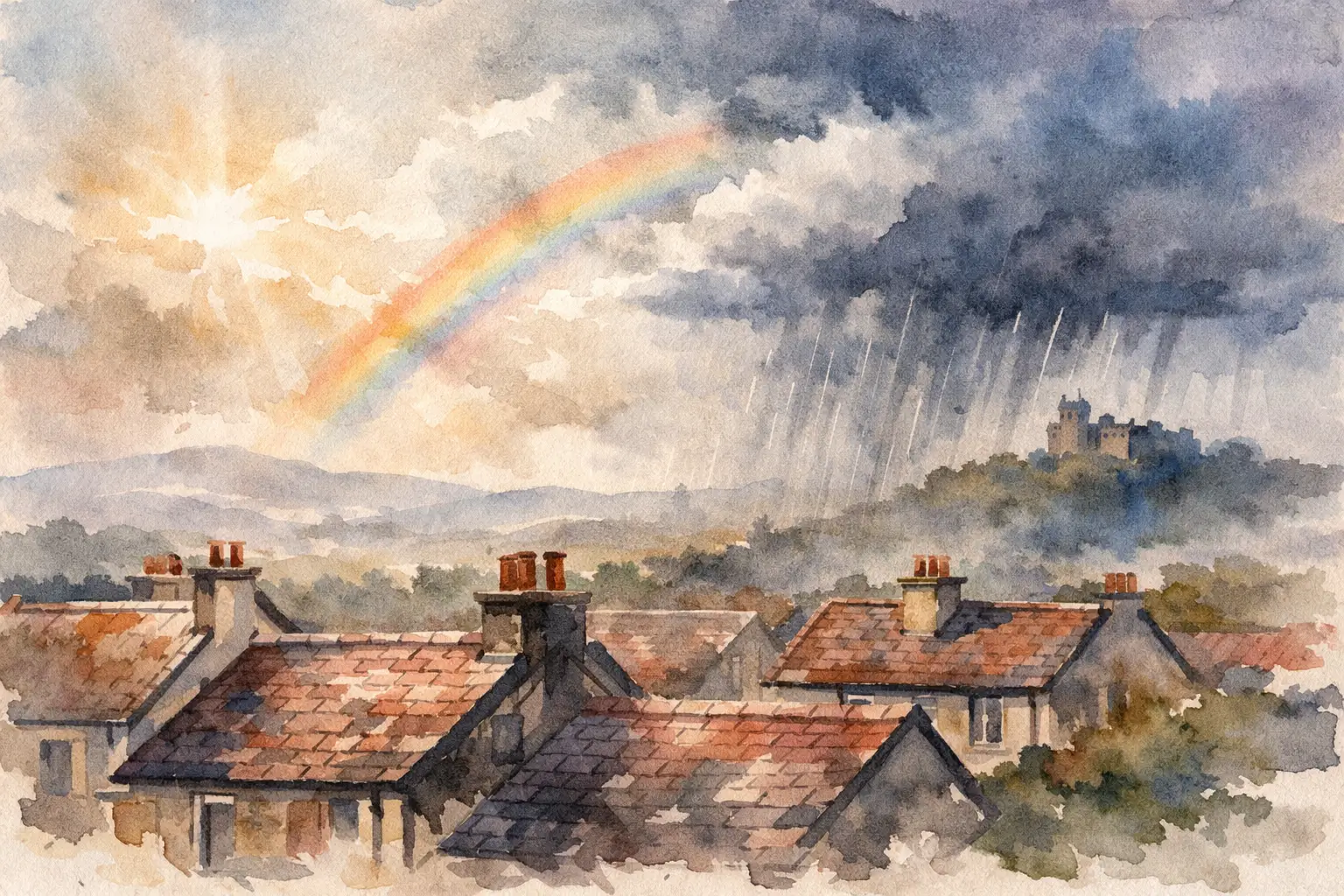
How Scotland’s Weather Impacts Roofs in Falkirk
A roof in Falkirk does not fail all at once. More often, it wears down in stages – a lifted slate after a windy night, water finding its way through a small weak point, frost widening a crack that looked harmless a month earlier. That is exactly how Scotland’s weather impacts roofs in Falkirk. It is not just one season or one storm. It is the steady pressure of rain, wind, cold snaps, damp air and changing temperatures over time.
For homeowners and landlords, that matters because roofing problems rarely stay small for long. A minor issue around flashing, ridge tiles, fascias or chimney pointing can turn into internal damp, insulation trouble and costly repair work if it is left unchecked. Understanding what local weather does to roofing materials helps you spot early warning signs and make better decisions about repairs, maintenance and replacement.
How Scotland’s weather impacts roofs in Falkirk through the year
Falkirk roofs have to cope with a bit of everything. Long wet periods are common, strong winds can arrive quickly, winter frost can be hard on older materials, and even milder weather creates damp conditions that encourage moss and algae growth. Each element affects different parts of a roof in different ways.
Rain is the obvious one. Roofs are built to shed water, but they depend on every part doing its job properly. If a slate has slipped, a tile has cracked, or lead flashing has started to lift, persistent rain will find the gap. In many cases the first sign indoors is a stain on a ceiling or damp patch in the loft, but by then the issue may already have been developing for some time.
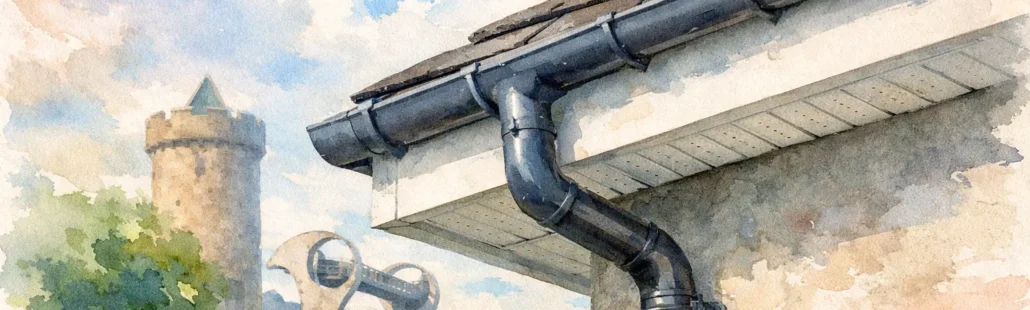
Wind is often just as damaging as rain, and the two together are especially hard on roofing systems. Gusts can loosen ridge tiles, dislodge slates, shift flashing and put strain on soffits, fascias and gutters. On exposed properties, repeated wind pressure can weaken fixings over time even if there is no obvious storm damage after a single bad day.
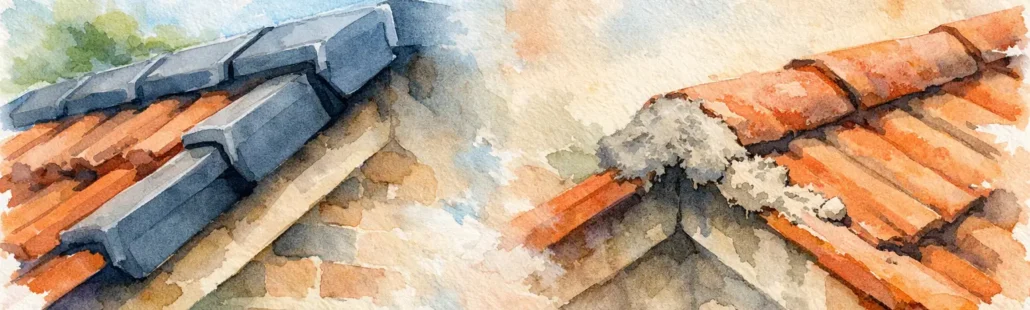
Cold weather brings a different problem. When moisture gets into tiny cracks in mortar, pointing or roofing materials, freezing temperatures cause that moisture to expand. That freeze-thaw cycle can turn a small defect into visible damage. Chimneys are particularly vulnerable, as are older roofs where the bedding around ridges or verges is already beginning to age.
The biggest weather-related roofing problems in Falkirk
Persistent rain and water ingress
Scotland’s climate means roofs in Falkirk deal with regular rainfall rather than occasional extremes only. That constant exposure tests all the vulnerable areas of a roof, especially around valleys, flashing, roof junctions, skylights and chimneys.
Newer roofs with good installation standards generally cope well, but even a sound roof needs maintenance. Gutters blocked with moss or leaves can cause water to back up. Damaged pointing around chimney stacks can let moisture in. A small defect in underlay or flashing may not show up immediately, but over months of wet weather it can become a recurring leak.
This is where timing matters. A quick repair is usually straightforward. Leaving it until timbers, insulation or plaster are affected makes the job larger and more expensive.
High winds and storm damage
Wind damage is not always dramatic. People often expect to see missing sections of roof, but more commonly the issue is movement. A tile slips slightly, ridge mortar cracks, or lead flashing lifts just enough to let driving rain underneath.
In Falkirk and across Central Scotland, properties in more open spots can take a harder hit. Detached homes, corner plots and buildings with older roofing materials may be more exposed than sheltered terraces. The age of the roof also matters. What a newer roof shrugs off, an older one may not.
After strong winds, it is worth checking for signs such as debris in the garden, slipped slates, bent guttering or pieces of mortar on the ground. These are often early warnings that the roof has taken a knock.
Frost, ice and the freeze-thaw cycle
Winter weather can be deceptively damaging because the process is gradual. Water enters hairline cracks in mortar, brickwork or stone, freezes overnight, expands and slowly breaks the material apart. By the time the damage is visible from ground level, it may have been worsening for weeks.
This affects ridge tiles, chimney stacks, parapet details and older roughcast finishes in particular. It can also shorten the life of small repairs if they were carried out on already weakened surfaces. In some cases, patching is enough. In others, replacing failing sections is the better long-term option.
Moss, algae and trapped moisture
Damp conditions and limited direct sunlight create ideal conditions for moss growth. While moss may look harmless from a distance, it holds moisture against the roof surface and can interfere with water run-off. On slate and tiled roofs, heavy growth can lift edges, block drainage paths and add unnecessary weight.
It also tends to end up in the gutters, where it contributes to blockages and overflowing water. That overflow can then soak fascias, external walls and foundations. Roof cleaning can help, but it should be done properly. Aggressive cleaning methods can damage tiles and shorten roof life, so the condition and material of the roof should always guide the approach.
Which roofs are most vulnerable?
How Scotland’s weather impacts roofs in Falkirk depends partly on the roof itself. Not every property will react the same way.
Older slate roofs often have excellent longevity, but age can affect fixings, flashings and surrounding mortar. Tiled roofs may suffer from cracked or slipped tiles after repeated frost and wind exposure. Flat roofs can be more vulnerable to pooling water if drainage is poor or the covering is nearing the end of its service life. Chimneys, conservatory roofs and roofline elements such as fascias and soffits also tend to show weather wear earlier than people expect.
Previous workmanship makes a difference too. A roof that has been repaired several times with mismatched materials or short-term fixes may be more likely to fail under pressure. Good roofing is not just about the outer covering. It is about how every detail works together to keep water out and the structure protected.
What property owners should watch for
Roofing issues are easier to deal with when caught early. The challenge is that many signs appear subtle at first.
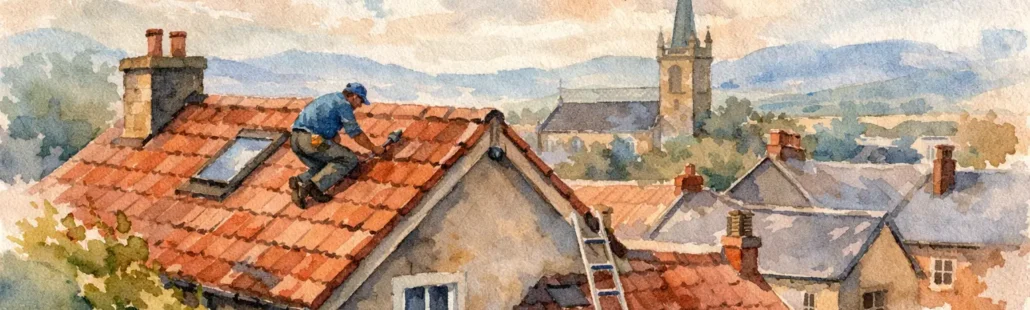
A damp patch on an upstairs ceiling, staining near a chimney breast, bits of mortar in the driveway, sagging guttering or green growth spreading across one roof slope can all point to weather-related wear. Outside, look for slipped slates, cracked tiles, loose flashing, overflowing gutters and visible deterioration around chimneys or verges.
Inside the loft, check for daylight where it should not be, damp insulation, musty smells or water marks on timbers. You do not need to diagnose the exact cause yourself, but recognising that something has changed can save a great deal of money later.
Preventing weather damage before it spreads
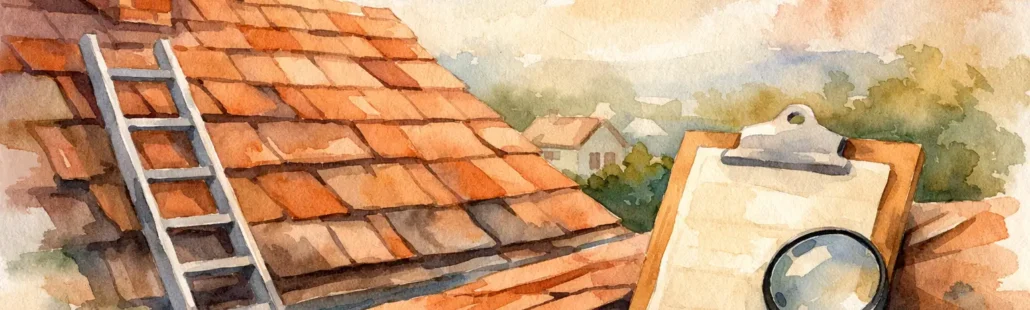
The best approach is usually simple: inspect, maintain and repair before the problem grows. Roofs in this part of the country benefit from periodic checks, especially after heavy rain, winter frost or strong winds.
That does not always mean major work. Sometimes the answer is replacing a few damaged slates, repointing a chimney, securing flashing, clearing gutters or dealing with moss before it starts causing overflow and damp issues. In other cases, if a roof is nearing the end of its life, repeated repairs may stop being good value. A professional assessment helps you judge when a repair is sensible and when a more lasting solution is the better investment.
For homeowners managing more than one external issue at once, it also helps to look at the full picture. Roofline elements, roughcasting, chimney repairs and drainage all interact. Fixing one weak point while ignoring the next can lead to the same problem returning.
A reliable local contractor should be able to explain what is urgent, what can wait and what will give you the best long-term result for the property. That practical, start-to-finish approach is often what saves the most stress.
In a place like Falkirk, the weather is not something your roof occasionally deals with. It is what your roof deals with all year round. Keeping ahead of that wear is less about reacting to disasters and more about noticing the small signs early, then sorting them before the next spell of rain has the final say.