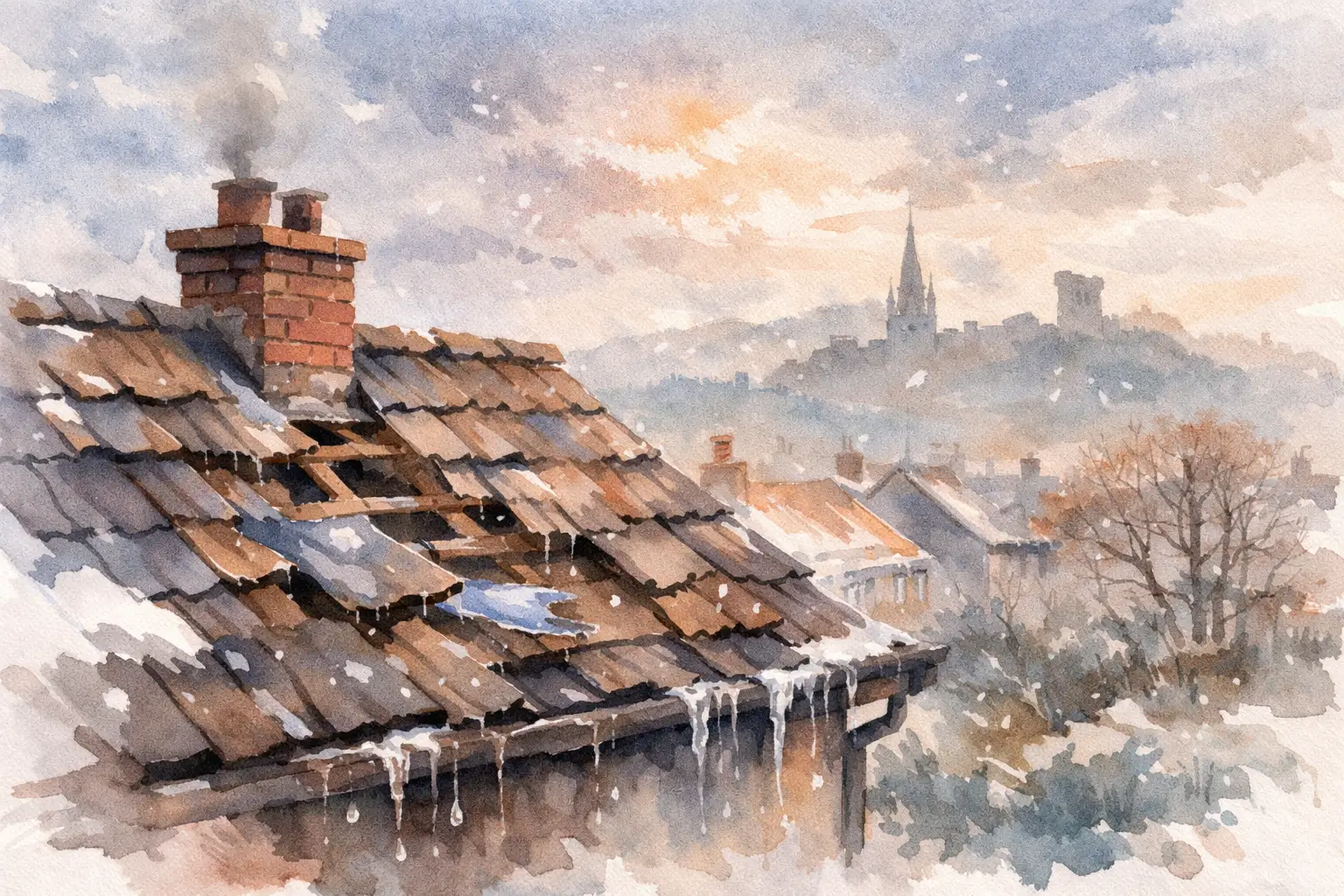
10 Signs Your Roof Needs Repair Before Winter in Falkirk
Autumn weather can expose a small roofing fault very quickly. These 10 signs your roof needs repair before winter in Falkirk will help you spot problems while there is still time to put them right, rather than dealing with an emergency leak during a spell of heavy rain, high winds or frost.
A roof does not have to be visibly failing to need attention. Often, the first signs appear around the edges, in the loft or on internal ceilings. Acting early usually means a smaller repair, less disruption and better protection for the rest of the property.
10 signs your roof needs repair before winter in Falkirk
1. Slipped, cracked or missing slates and tiles
A single missing slate or tile can create an entry point for wind-driven rain. Nearby tiles may also become loose after a storm, particularly where fixings have aged or the roof has been exposed to repeated freezing and thawing.
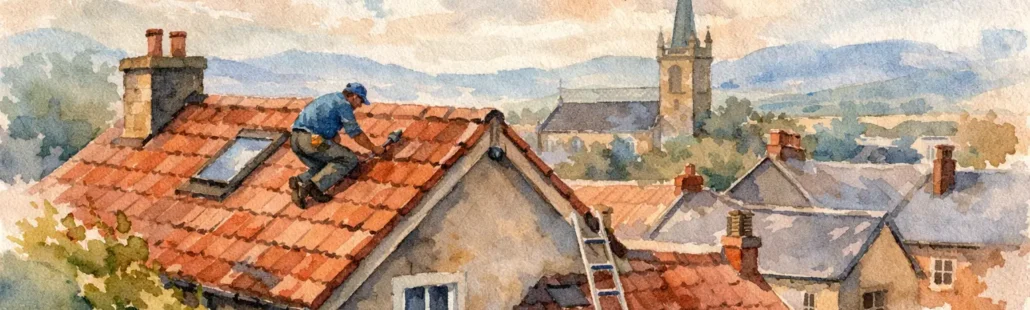
You may notice a gap from ground level, a tile sitting out of line, or pieces of slate in the garden or driveway. Do not climb onto the roof to investigate. A professional inspection can establish whether it is an isolated replacement job or whether there is wider movement across the roof covering.
2. Water marks on ceilings or walls
Brown staining, peeling paint or a damp patch on an upstairs ceiling should never be ignored. The point where water appears indoors is not always the point where it enters the roof. Moisture can run along timbers, felt or pipework before becoming visible.
A leak may only show after persistent rain or when the wind is blowing from a particular direction. That can make it tempting to wait and see, but winter conditions usually turn an occasional issue into a regular one. Finding the source early helps protect plaster, insulation and timber inside the roof space.
3. Damp, mould or a musty smell in the loft
Your loft can reveal roofing issues before damage reaches the rooms below. Look for damp insulation, dark marks on roof timbers, dripping felt, mould growth or a persistent musty smell. Daylight visible through the roof covering is another clear warning sign.
Not every loft moisture problem is caused by a leak. Poor ventilation and condensation can also play a part, especially in well-insulated homes. The distinction matters because the right repair might involve replacing damaged roofing materials, improving ventilation, or addressing both issues together.
4. Damaged flashing around chimneys and roof junctions
Flashing is the material that seals vulnerable areas where the roof meets a chimney, wall, skylight or valley. When it cracks, lifts, deteriorates or loses its seal, water can get in even if the rest of the roof looks sound.
Chimney flashing is a common source of leaks on older properties. Mortar around the chimney stack can also deteriorate, allowing water into the brickwork and loosening the flashing below. Addressing roof and chimney repairs together can prevent repeat visits and gives the whole area a better chance of standing up to winter weather.
5. Blocked, overflowing or sagging gutters
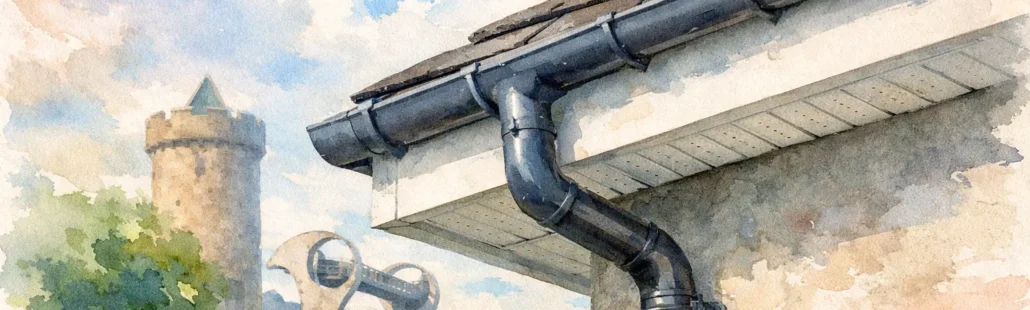
Gutters are part of your roof’s drainage system, not an optional extra. If they overflow in rain, sag under the weight of debris, or pull away from the fascias, water may run down external walls or back towards the roof edge.
Leaves, moss and general debris can cause a simple blockage, but damaged brackets, failed joints and poorly aligned guttering need repair or replacement. Water overflowing close to the property can contribute to damp walls, damaged fascias and problems around the foundations over time.
6. Rotting fascias, soffits or exposed timber
Fascias and soffits protect the roofline and provide a secure fixing point for gutters. Flaking paint, soft timber, staining, gaps and visible rot suggest that moisture has been getting where it should not.
Small areas of damage may be repairable, while widespread deterioration may make replacement the more sensible long-term option. Modern roofline materials can reduce future maintenance, but the right choice depends on the condition of the existing timber and whether there is a roofing leak behind it.
7. Moss build-up and debris collecting on the roof
A light amount of moss is common on many roofs, particularly in shaded areas. Heavy moss growth is different. It can hold moisture against tiles or slates, obstruct gutters and lift roof coverings as it expands.
Loose moss and debris in valleys should also be taken seriously because valleys carry a large volume of rainwater. If that water cannot flow freely, it can back up beneath slates or tiles. Roof cleaning should be carried out carefully, using methods suited to the roof material, rather than aggressive techniques that may cause damage.
8. A sagging roofline or uneven ridge
Stand back across the road or view the property from a safe distance. A roofline that appears to dip, sag or look uneven needs professional assessment. The cause could be damaged timbers, long-term moisture exposure, failed supports or movement in the structure.
This is not a repair to delay until spring. Structural concerns may worsen under the added strain of prolonged rain, snow or strong winds. An inspection will identify whether the issue is localised or whether more extensive roof work is required.
9. Loose ridge tiles, verges or roof edges
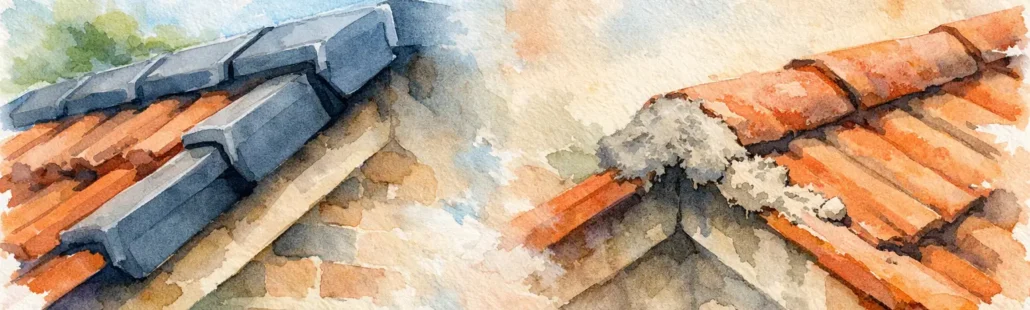
Ridge tiles run along the top of a pitched roof, while verge tiles and slates form the edges. These areas are particularly exposed to wind. Cracked mortar, movement or missing sections can leave the roof vulnerable and create a risk of falling materials.
Modern dry-fix systems are sometimes suitable when ridge or verge work is needed, but not every roof requires the same solution. The age, construction and overall condition of the roof should guide the repair. What matters most is securing the exposed edges before a winter storm finds the weak point.
10. Higher heating bills or cold rooms upstairs
A sudden increase in heating costs or a noticeably cold upper floor can point to heat loss through the roof space. Damaged felt, gaps around the roofline, wet insulation and poor ventilation can all affect comfort and energy efficiency.
This sign is less obvious than a leak, and it does not automatically mean the roof covering is failing. However, it is worth checking alongside the loft insulation and ventilation. A roof inspection can rule out water damage or gaps that are allowing draughts and moisture into the property.
When a small roof repair becomes an urgent job
Some faults can wait for a planned appointment, but others need a faster response. Active water coming through the ceiling, loose materials that could fall, major storm damage, or a chimney that appears unstable should be treated as urgent. Move furniture and valuables away from leaks where possible, contain dripping water safely and avoid touching any affected electrical fittings.
Temporary protection can reduce immediate water ingress, but it is not a substitute for a proper repair. Covering over a problem without finding its cause may allow damp timber, insulation damage and mould to develop out of sight.
Why an inspection before winter is worthwhile
Winter repairs can still be carried out when conditions allow, but shorter daylight hours, wet surfaces and severe weather can limit safe working time. A pre-winter inspection gives you more opportunity to schedule work, compare repair options and deal with connected issues such as gutters, chimneys, fascias or roughcasting.
For landlords and small commercial property owners, early checks are also a practical way to reduce disruption for tenants and customers. A minor repair carried out in dry conditions is generally easier to manage than an emergency call-out after internal water damage has already occurred.
If you have noticed one or more of these warning signs, arranging a no-obligation roof assessment now can bring clarity before the weather turns. FK Roofing provides dependable roofing and exterior repair work across Falkirk and nearby areas, with experienced workmanship and a clear recommendation based on what your property actually needs.