EPDM Versus Felt Roofing: Which Suits Your Roof?
A flat roof that has started to leak rarely gives much warning. A damp patch on a garage ceiling, bubbling felt, or water pooling after heavy rain can quickly turn a small concern into damaged timber and insulation. When comparing EPDM versus felt roofing, the right choice depends on the roof’s condition, its use, your budget, and how long you expect the covering to last.
Both materials can provide a dependable waterproof finish when installed properly. The difference is in their construction, installation method, maintenance needs and long-term value. For homeowners across Falkirk and Central Scotland, where persistent rain, frost and strong winds test every roof covering, those differences matter.
EPDM versus felt roofing: the main difference
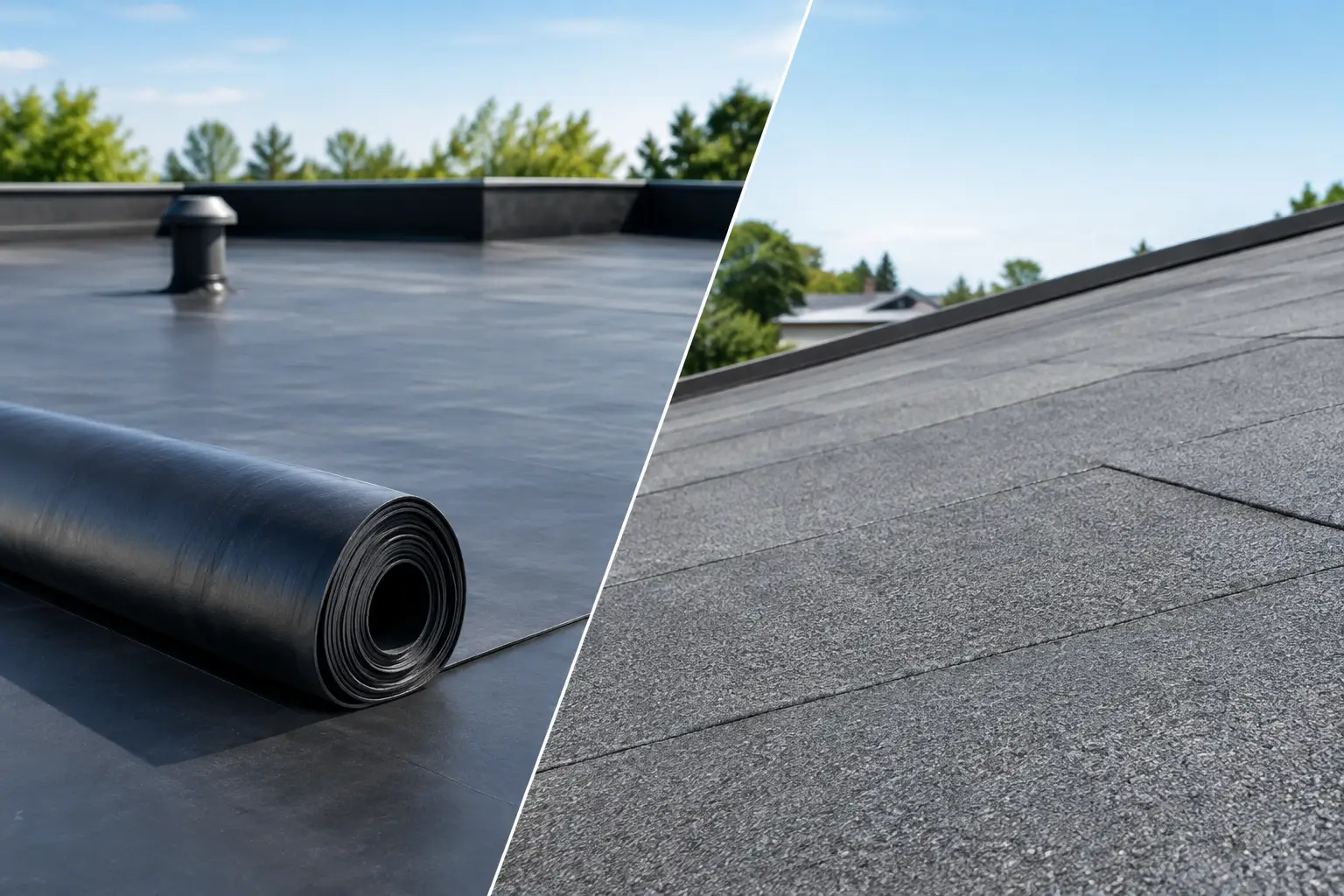
EPDM is a synthetic rubber membrane used mainly on flat and low-pitched roofs. It is normally supplied in large sheets, which can reduce the number of joints across the roof. The membrane is bonded to a suitable deck and finished carefully around edges, outlets, pipes and adjoining walls.
Felt roofing usually refers to modern bituminous felt systems. These are not the thin, short-lived felt coverings many people remember from older sheds or garages. A professionally installed system may use two or three layers, often including a tough mineral-finished top layer. The layers are bonded together to form a weatherproof surface.
EPDM is often chosen for its clean appearance and expected lifespan. Felt remains a practical, proven option where the roof layout, budget or existing construction makes it the better fit. Neither is automatically right for every property.
Lifespan and weather resistance
A well-installed EPDM roof can commonly last 30 years or more, depending on the quality of the membrane, roof design and ongoing care. Rubber remains flexible in cold weather, which is useful during Scottish winters when repeated freezing and thawing can place stress on roof coverings. It also copes well with standing water, although a flat roof should still have effective falls and drainage.
Modern felt systems generally offer a lifespan of around 15 to 25 years. Higher-specification systems can perform well for longer, but they have more seams than a single-piece EPDM installation. Each joint must be correctly formed, as weak laps or poorly sealed details are common places for water to find a route in.
Wind resistance is not simply a question of material. The deck must be sound, the perimeter detailing must be secure, and the system needs to be fixed or bonded correctly. A membrane fitted over rotten boards or loose trims will not give a lasting result, whatever material is used.
What the roof is used for matters
A simple garage roof with clear access is very different from a kitchen extension with rooflights, soil pipes, a parapet wall and awkward drainage. EPDM works particularly well on broad, uncomplicated roof areas because it can often be laid with very few seams.
Felt can be more adaptable around complex shapes and detailing, especially where several layers and formed flashings are needed. It may also suit roofs that require a more traditional bituminous system to match adjoining work. The best option comes from inspecting the whole roof, not choosing based on the main surface alone.
Installation: why workmanship makes the difference
EPDM is commonly installed using a cold-applied adhesive. This avoids the need for naked flames over most of the roof area, which can be beneficial on timber structures and properties where fire risk needs to be carefully managed. However, it is not a shortcut job. The deck must be clean, dry and level, and the adhesive must be applied at the correct rate. Wrinkles, trapped moisture and rushed edge details can all reduce performance.
Felt roofing is often installed using a torch-on method, although cold-applied options are available. Torch-on felt requires trained roofers who understand safe working practices and proper bonding. Each layer needs to be laid with correct overlaps and without damaging the material through overheating.
Before either system is installed, the roofer should check the roof deck, joists, insulation, drainage and edge trims. Covering a failing roof without addressing wet or decayed timber can conceal the problem briefly, but it will not solve it. In some cases, an overlay is possible. In others, stripping the old covering back to a sound base is the safer and more economical approach.
Cost: upfront price versus long-term value
Felt is often the lower-cost option at the outset, particularly on small roofs. This can make it attractive for a garage, porch or outbuilding where the budget is tight and the roof is otherwise straightforward.
EPDM can cost more initially, but its longer expected lifespan may make it better value over the life of the roof. Fewer seams can also mean fewer potential weak points, provided the perimeter and penetration details are completed properly.
It is worth being cautious with quotes that focus only on a price per square metre. The true cost of a flat roof replacement depends on access, removal of old materials, timber repairs, insulation upgrades, drainage, rooflights, flashings and the condition of the existing deck. A clear quote should explain what is included rather than leaving essential work to be added later.
Repairs and maintenance
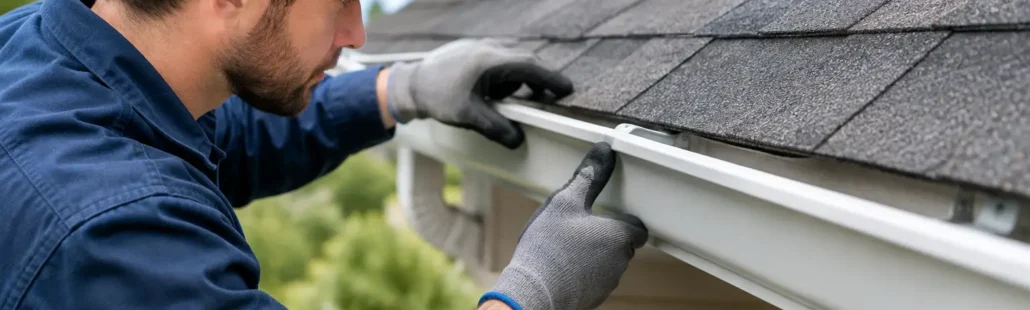
Both EPDM and felt roofs need occasional inspection, especially after severe weather. Leaves and moss should be cleared from outlets and gutters so water can drain freely. Standing water does not always mean immediate failure, but prolonged ponding can expose issues with the roof’s falls and place unnecessary strain on the covering.
Small punctures in EPDM can often be repaired with compatible patches and adhesives. Repairs need a clean, dry surface and should extend beyond the damaged area. If the membrane is generally sound, a local repair can be a sensible solution.
Felt can also be patched, but the condition of surrounding layers is important. Cracking, blistering, loose laps or widespread splits may indicate that the system is nearing the end of its serviceable life. Repeated patches on an ageing roof can become poor value if water is entering in more than one location.
Do not rely on a coating or sealant as a cure for major defects. These products can sometimes provide short-term protection on an appropriate surface, but they cannot replace failed decking, worn-out laps or incorrect drainage.
When EPDM is usually the stronger choice
EPDM is often a good fit for homeowners who want a long-lasting, low-maintenance covering for an extension, garage or larger flat roof. It is especially attractive where the roof has a simple shape and a quality finish is the priority. Its flexibility and resistance to weathering make it well suited to exposed Central Scotland conditions.
It is also a sensible choice when reducing joints is valuable, such as on a wide single-span roof. That said, EPDM still needs skilled detailing around corners, upstands and outlets. The membrane itself may be durable, but the roof is only as reliable as its weakest detail.
When felt roofing may make more sense
Felt can be the right answer for a smaller project, a property with a limited budget, or a roof where a multi-layer bituminous system is the most suitable specification. A high-quality felt installation is far more durable than the outdated image many people associate with felt roofs.
It can also be a practical option where the roof has complicated junctions or where matching an existing bituminous roof system is beneficial. The key is not to treat felt as the cheap alternative by default. Properly specified, layered and installed, it remains a reliable roofing material.
Get the roof assessed before choosing
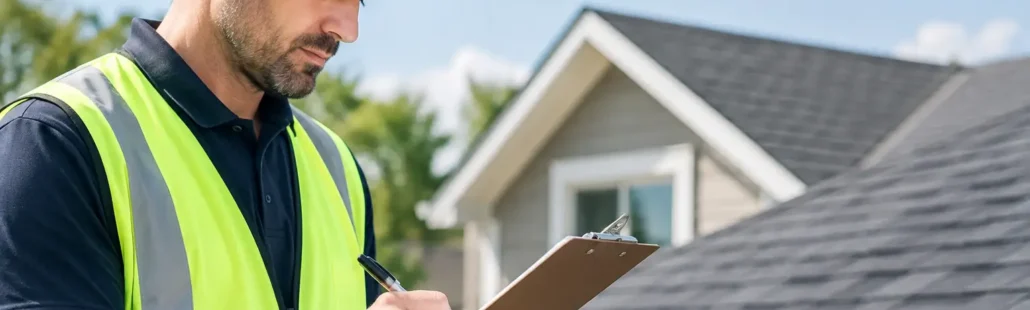
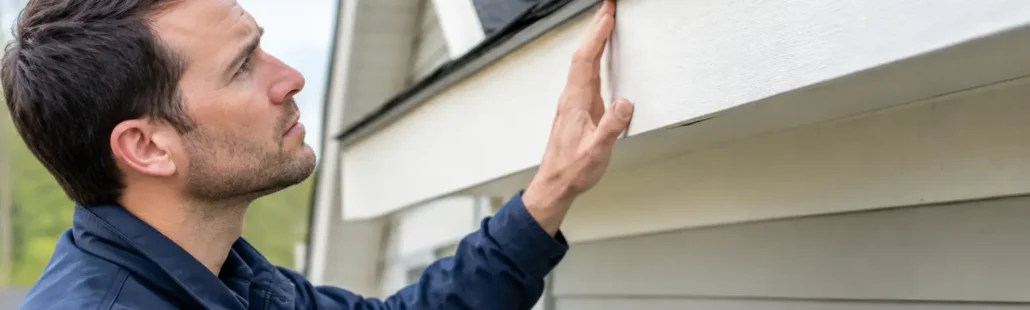
The choice between EPDM and felt should start with the condition beneath the old covering. A professional inspection can identify whether water is entering at a lap, a flashing, an outlet or through damaged timber. It can also establish whether the roof has enough fall to drain properly and whether insulation improvements are worth considering while the roof is open.
FK Roofing can assess flat roofs, explain the practical options in plain language and provide a clear, no-obligation quote for the work required. A roof covering should give you confidence when the rain arrives, not leave you watching the ceiling for the next damp patch.