Storm Damage Roofing Repairs in Falkirk – What to Do First
A few slipped slates can look minor from the garden, but after a Falkirk storm they may be the first sign that wind or driving rain has opened up the roof. For storm damage roofing repairs in Falkirk: what to do first is not to climb up and investigate. Your priority is to keep people safe, reduce further water damage where you can, and arrange a proper assessment as soon as conditions allow.
Central Scotland weather can expose weaknesses quickly. Strong gusts may lift ridge tiles, loosen flashing around a chimney or dislodge slates, while rain can find its way through gaps that were not obvious before. Acting calmly and in the right order protects your property and makes a repair more straightforward.
Start with safety, not a roof inspection
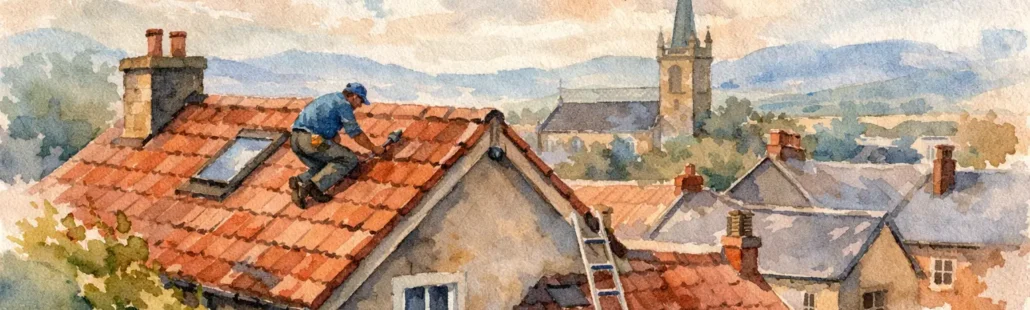
Stay away from the roof, even if the damage appears accessible from a window or ladder. Storm-damaged coverings can be unstable, wet surfaces are slippery, and overhead cables, falling tiles or loose guttering add further risks. A temporary look from ground level is enough to identify obvious hazards.
If tiles, slates or branches have fallen into a public area, driveway or entrance, keep children, visitors and vehicles clear. Do not attempt to move a hanging gutter, loose chimney pot or large branch resting on the roof. Where there is an immediate risk to people, property next door, or power lines, contact the relevant emergency service or utility provider before arranging repairs.
Inside, be alert to warning signs such as water dripping through a ceiling, a bulging plasterboard ceiling, a strong damp smell in the loft, or new cracking around a chimney breast. A sagging ceiling can hold a considerable weight of water. Keep the room clear, avoid touching light fittings, and switch off electricity to the affected area only if it is safe to do so.
Limit water damage from indoors
Once everyone is out of harm’s way, take sensible steps to contain water. Place buckets or sturdy containers beneath active drips and use towels around the base to stop water spreading across flooring. Move furniture, rugs, electrical items and valuables away from the affected area. If a ceiling is leaking near lights, do not use those fittings.
Ventilate the space once the rain has eased, provided it is safe to open windows. This will not fix the cause of the leak, but it can help reduce condensation and damp while you wait for a roofer. Avoid pushing insulation around in the loft or trying to trace the leak in poor weather. Water often travels along timbers or felt before it appears indoors, so the visible drip is not always directly below the damaged section.
It can be tempting to put a tarpaulin over the roof. This is rarely a safe homeowner job during or just after a storm. A poorly secured sheet can catch the wind, cause further damage, or create a serious fall risk. Temporary weatherproofing should be carried out by an experienced professional with the right access equipment and safe working methods.
Record the damage before anything changes
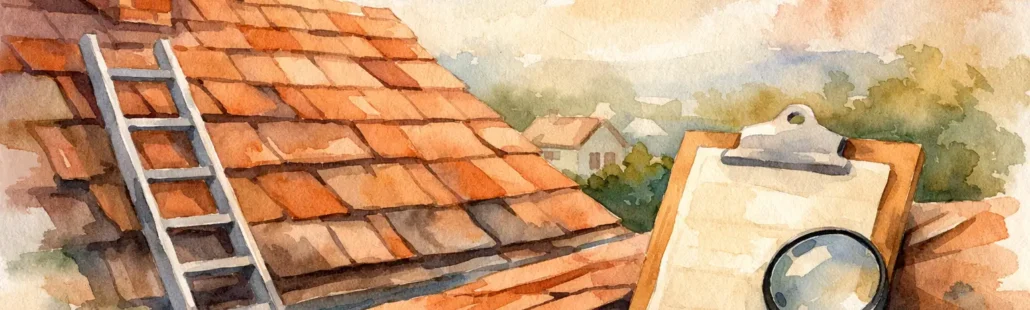
Take clear photographs and short videos from safe ground level. Capture missing or slipped slates, damaged leadwork, blocked or detached gutters, fallen debris, broken roofline components, and any water marks inside. Include wider shots that show where the damage sits on the property, followed by closer images where possible.
Make a note of when you first noticed the problem, the weather conditions, and any steps taken to protect the property. Keep receipts for reasonable emergency measures, such as containers, protective covers used indoors or an emergency call-out. This information can be useful if you need to speak with your insurer.
Do not delay essential work while waiting for an insurance decision. Most insurers expect homeowners to take reasonable action to prevent further loss, but it is sensible to check your policy terms and contact them promptly. Ask whether they require photographs, a report, or an estimate before repairs begin. Emergency make-safe work and permanent repairs may be handled differently, depending on the policy.
Arrange a professional roof assessment quickly
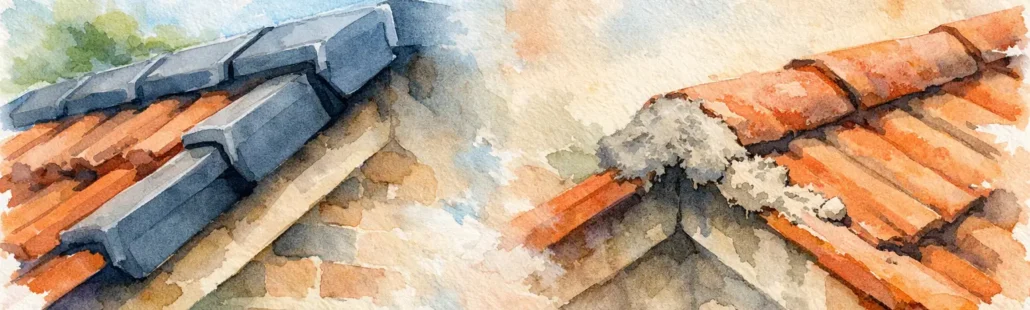
A roof inspection after a storm should look beyond the most obvious missing tile. Wind can loosen fixings without fully removing the covering, and water can affect valleys, chimney flashing, ridge mortar, verge sections, roof felt, fascias and soffits. A small opening at one point can allow rain into the roof space and lead to damp insulation, staining, timber decay or mould if left untreated.
A competent roofer will assess the roof safely, identify what has failed, and explain whether the issue needs immediate temporary protection, a targeted repair, or more extensive work. In many cases, a localised repair is enough. Replacing broken slates, re-bedding ridge tiles, repairing flashing or securing a loose section can restore the roof without the cost of a replacement.
However, it depends on the roof’s age and overall condition. Storms often reveal an underlying issue rather than creating it from scratch. If numerous slates are brittle, the underfelt has deteriorated, chimney pointing is failing, or the roof has repeated leaks, a wider repair may offer better value than a series of short-term patches. A clear written quote should separate urgent work from recommended longer-term improvements, so you can make an informed decision.
Be wary of rushed doorstep offers
After severe weather, homeowners may be approached by people offering instant repairs. A quick response matters when water is entering a property, but so does knowing who is working on your roof. Be cautious of anyone who pressures you to decide immediately, asks for cash upfront, refuses to provide details of the work, or claims extensive damage without showing you evidence.
Choose an insured roofing contractor that can explain the problem in plain language, provide a proper quotation, and set out what is included. For storm work, ask whether the price covers access, removal of damaged materials, temporary weatherproofing where needed, the repair itself and clearing the site afterwards. Guarantees should be discussed before work starts, not promised vaguely once a job is underway.
FK Roofing provides prompt, insured roofing repairs for property owners across Falkirk and nearby areas, with practical advice on the work required rather than pressure to commit to unnecessary replacement.
Check the areas storms commonly affect
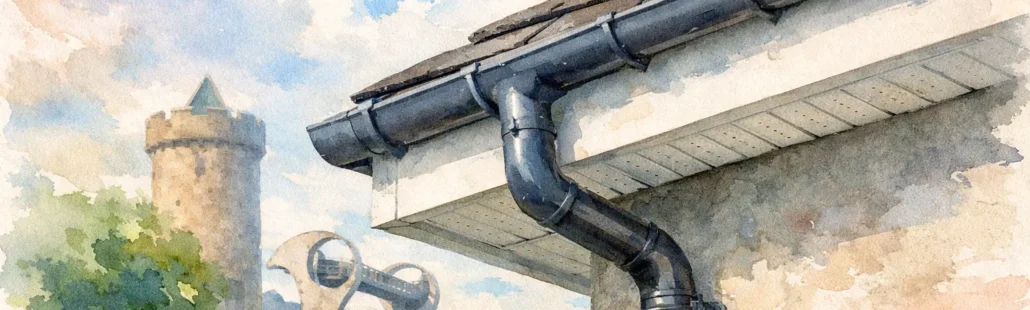
Even if the main leak has stopped, ask for the rest of the roofline and external details to be checked. Storm damage is not always limited to the roof covering. Gutters can become blocked by moss, leaves or fragments of mortar, directing water back towards fascias and walls. Loose soffits may allow wind-driven rain or birds into the eaves. Damaged chimney pointing, flashing or pots can also become a source of water ingress.
Flat roofs need particular attention after heavy rain. Look for standing water, lifted edges, splits, or bubbling in the surface from a safe position. Water that remains after the weather has cleared may indicate poor drainage or a defect in the covering. Conservatory roofs can also suffer cracked panels, slipped seals and leaking flashing where they meet the main house.
A thorough inspection gives you the chance to deal with related problems at the same time. That can reduce repeat access costs and prevent a small roof repair from being undermined by faulty gutters, failing chimney work or damaged roofline components.
Know when a repair cannot wait
Some storm issues need same-day attention, particularly when rain is entering the property or a component could fall. Arrange urgent professional help if you can see an opening in the roof, have active internal leaks, notice loose ridge tiles or slates above an entrance, see a leaning chimney pot, or find guttering hanging from the building.
For less urgent issues, such as a single slipped slate with no sign of water ingress, book an inspection soon rather than assuming it can wait until the next season. Another spell of wind and rain may turn a modest repair into internal damage that is far more disruptive and expensive.
The best next step after a storm is a safe, documented and professional response. Protect the inside of your property, avoid risky DIY work, and have the roof assessed before the next downpour tests the damage again.