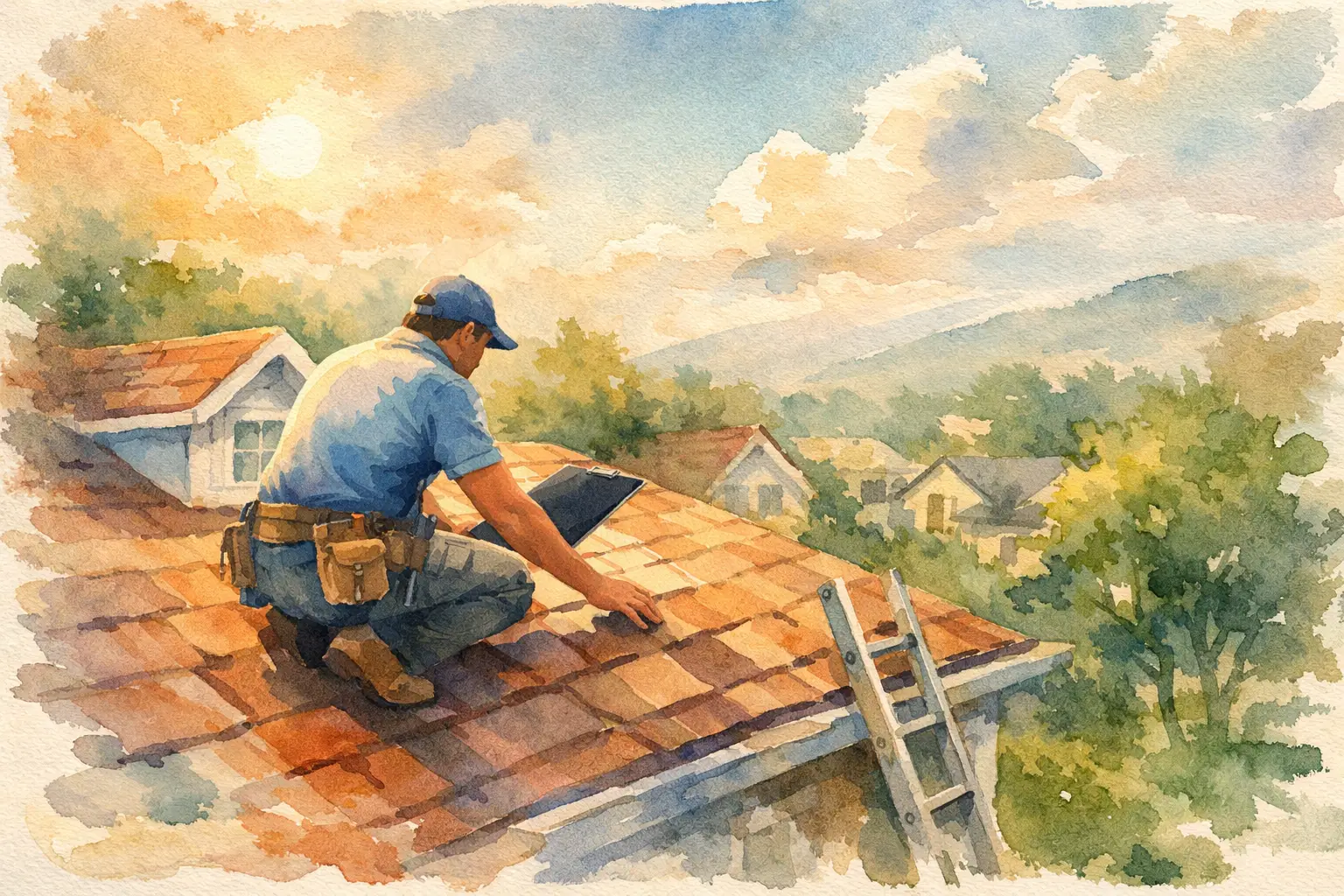
The Importance of Regular Roof Inspections
A roof problem rarely starts with water pouring through the ceiling. More often, it begins with a slipped tile after high winds, a cracked flashing around the chimney, blocked gutters forcing water back under the roofline, or wear that goes unnoticed month after month. That is exactly why the importance of regular roof inspections for Falkirk homeowners should not be underestimated. In a place where wind, rain and winter weather can test every part of a property, small issues can become expensive ones surprisingly quickly.
For many homeowners, the roof is easy to ignore because it is out of sight. If there is no obvious leak, it is tempting to assume everything is fine. The trouble is that roofing materials often fail gradually. Water can enter in tiny amounts, timber can remain damp for long periods, and mortar can weaken long before there is a visible sign inside the house.
Why regular roof inspections matter
Regular inspections are not about looking for problems for the sake of it. They are about protecting the condition, value and safety of your home. A roof is your first line of defence against the weather, and if one area starts to fail, the effects can spread well beyond the covering itself.
A minor defect caught early is usually quicker and more affordable to put right. A few loose slates, a damaged ridge tile or worn leadwork can often be repaired before the surrounding structure suffers. Leave the same issue too long, and you may be dealing with rotten battens, damp insulation, stained ceilings and internal decorating costs on top of the roofing repair.
There is also the question of lifespan. No roof lasts forever, but regular checks can help you get the most from the one you have. Whether your property has tiled roofing, slate, flat roof sections or older chimney details, maintenance and early intervention make a clear difference.
The importance of regular roof inspections for Falkirk homeowners
Local conditions play a big part in roof performance. In Falkirk and across Central Scotland, roofs have to cope with persistent rain, gusting winds, freezing temperatures and seasonal moss growth. Even a well-built roof takes a lot of punishment over time.
That means the importance of regular roof inspections for Falkirk homeowners is not just a general maintenance point. It is a practical response to the climate. Stormy weather can shift materials without creating an immediate indoor leak. Repeated wet and cold cycles can open small gaps around flashings and joints. Gutters can overflow during heavy rain, and that extra water has to go somewhere.
Homes in exposed areas, older properties and houses with chimney stacks or extensions may be more vulnerable than owners realise. Equally, newer roofs are not immune. Poor drainage, storm damage and installation defects can affect roofs of any age, which is why periodic inspection makes sense across the board.
What a roof inspection can reveal
A proper inspection looks at more than the main roof covering. The weak point is not always the tile or slate itself. It may be the edge details, roofline components or adjoining structures that allow water in first.
Common issues include slipped or broken tiles, cracked slates, damaged ridge pointing, split felt on flat roof sections, deteriorating flashing around chimneys, blocked gutters, failing soffits and fascias, and signs of moss build-up that are trapping moisture. In some cases, the roof surface still looks acceptable from the ground, but closer inspection shows clear wear.
Inside the loft, there may be early warning signs as well. Damp patches, staining, poor ventilation, mould and daylight coming through where it should not are all worth attention. An inspection helps connect what is happening externally with what may already be affecting the structure internally.
Preventing bigger repair bills
One of the main reasons homeowners delay inspections is concern about cost. That is understandable, especially if the roof appears sound. But the financial risk usually sits in delay, not in checking.
A relatively simple repair is often manageable when found early. Once water has travelled into insulation, timber or plasterwork, the scope changes. What could have been a targeted repair can become a broader job involving roof repairs, internal remedial work and replacement of damaged materials.
There is also a practical point here. Planned maintenance gives you more control. Emergency roofing work after a major leak or storm damage is far more stressful than arranging repairs before the problem reaches that stage. In many cases, homeowners are not choosing between spending and not spending. They are choosing between a smaller planned cost now and a larger reactive cost later.
Inspections after storms and through the seasons
Not every roof needs the same inspection schedule. It depends on age, material, exposure and previous repair history. Still, there are times when a check is especially worthwhile.
After severe wind or heavy rain, an inspection can pick up storm-related movement before it worsens. Seasonal checks also help. Autumn and winter tend to expose weaknesses in drainage and weatherproofing, while spring is a sensible time to assess any damage caused by colder months.
Older roofs usually benefit from more attention than newer ones, though even a newer roof should not be left entirely unchecked. If your property has had previous leaks, chimney repairs, flat roof patches or recurring gutter problems, regular inspection is even more valuable because those details often need closer monitoring.
It is not only about leaks
Leaks tend to get the attention, but they are only one part of the picture. A neglected roof can affect heat retention, ventilation and the overall performance of the property envelope. Damp insulation is less effective. Persistent moisture around the roofline can contribute to timber decay. Blocked gutters can affect external walls as well as the roof itself.
For landlords and property owners planning to sell, condition matters too. Visible roof defects can reduce buyer confidence and raise questions during surveys. Keeping the roof in good order supports the appearance and reliability of the whole property, not just the uppermost structure.
That is one reason many homeowners prefer working with a contractor who understands more than roofing in isolation. Where a problem overlaps with chimneys, roughcasting, fascias, soffits or other exterior elements, it helps to have a clear view of how those parts work together.
Why visual checks from the ground are not enough
A quick look up from the driveway has its place, but it is limited. From ground level, you may spot a missing tile or overflowing gutter. You are much less likely to notice subtle lifting, cracks in flashing, mortar deterioration or early membrane failure.
There is also the safety aspect. Climbing onto a roof without the right equipment or experience is never advisable. Professional inspection is not just about seeing more. It is about identifying the real cause of a problem rather than guessing from the symptom.
That matters because the visible issue is not always the source. A damp patch on an upstairs ceiling may come from damaged flashing several feet away. Overflowing gutters may reflect a roofline defect or drainage blockage rather than simply excess rainwater.
Choosing the right time to act
Homeowners sometimes wait until they are ready for a full replacement before getting the roof checked. In reality, many roofs do not need replacing at all. They need maintenance, localised repairs or attention to adjoining features such as chimney work or roofline components.
Of course, there are times when an inspection confirms that a roof is nearing the end of its serviceable life. Even then, that knowledge is useful. It allows you to plan properly, budget in advance and avoid the disruption of waiting for a failure. A straightforward assessment gives you a clearer picture of what is urgent, what can be scheduled, and what is still performing as it should.
For homeowners in Falkirk, that peace of mind has real value. You want to know your property is protected before the next spell of bad weather arrives, not after.
A roof does its job quietly in the background, and that is precisely why it pays to keep an eye on it. Regular inspections are one of the simplest ways to avoid unpleasant surprises, protect your home and keep repair costs in proportion. If you have not had your roof checked for some time, a timely inspection is often the most sensible next step.