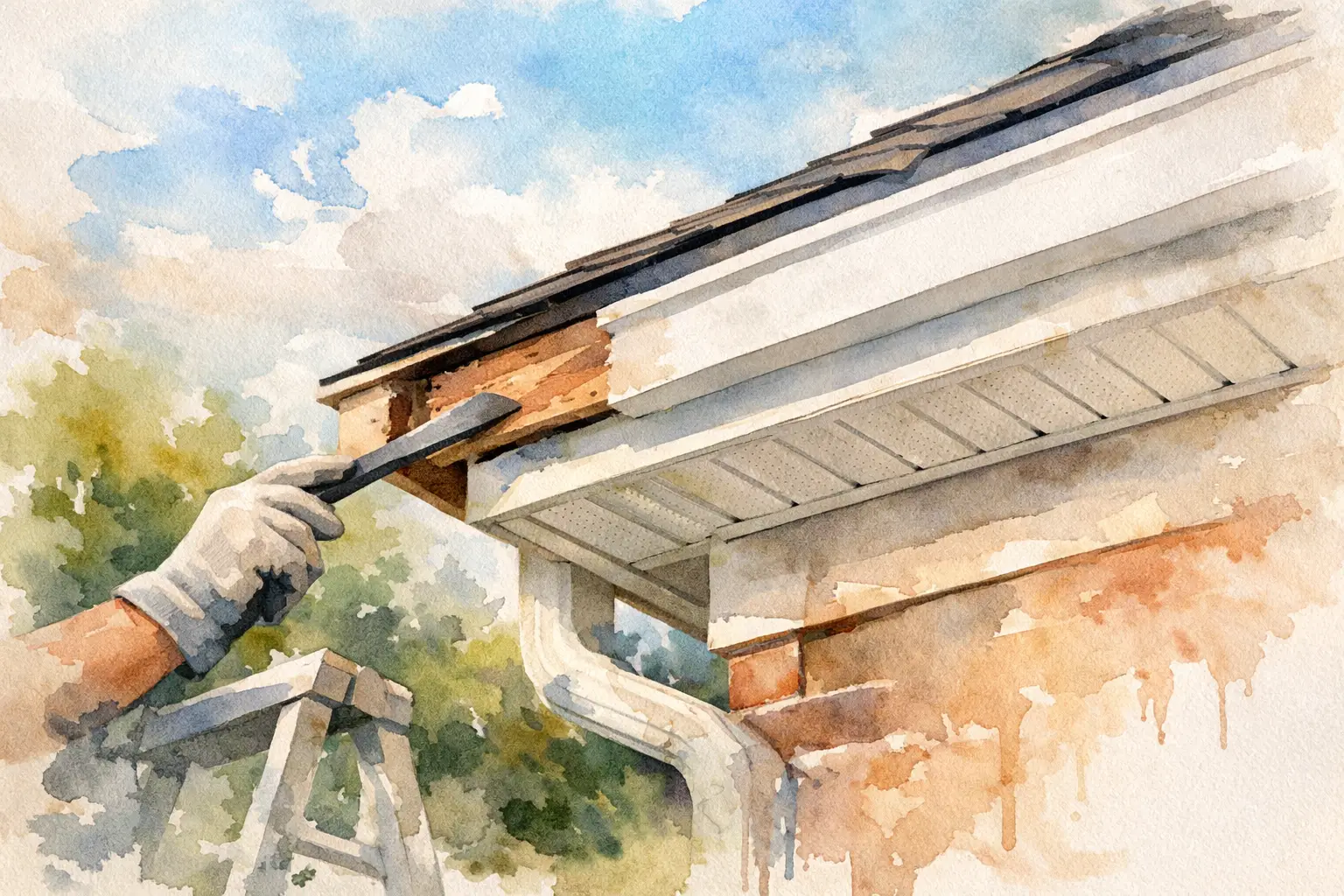
Fascia and Soffit Replacement Explained
A lot of roofline problems start small. A patch of peeling paint, a damp mark near an upstairs ceiling, or bits of debris collecting in the gutters can all point to the same issue – the boards along the edge of the roof are no longer doing their job. Fascia and soffit replacement is often the most practical way to stop minor deterioration turning into costly repair work.
For many property owners, fascias and soffits are easy to overlook because they sit quietly at roof level. Yet they play a direct role in protecting the roof structure, supporting the guttering and helping the property breathe properly. When they begin to fail, the effects can spread well beyond the roofline.
What fascia and soffit replacement actually involves
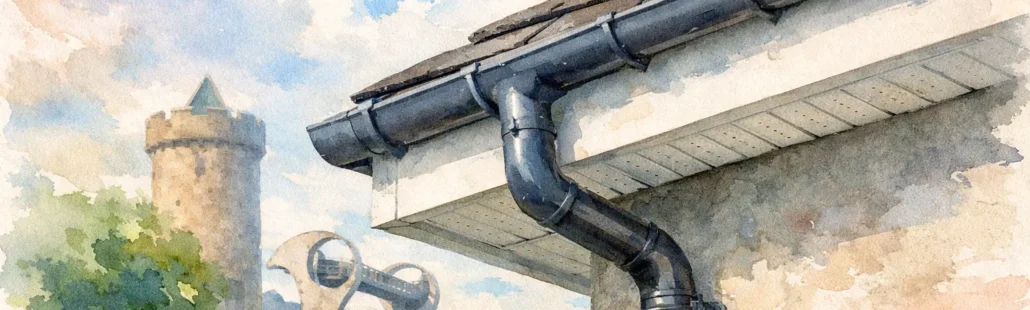
The fascia is the long board fixed along the lower edge of the roof, where the guttering is attached. The soffit sits underneath that overhang, closing the gap between the wall and the roof edge. Together, they protect exposed roof timbers from rain, wind and nesting pests while giving the property a clean, finished appearance.
Fascia and soffit replacement means removing old or damaged roofline materials and fitting new boards that are secure, weather-resistant and suited to the building. In some cases, only one section needs replaced. In others, full replacement across the property is the better option, especially where rot, water damage or poor previous installation has affected several areas.
This is not simply a cosmetic upgrade. If the fascia weakens, guttering can begin to sag or pull away from the house. If the soffit is cracked or poorly ventilated, moisture can build up in the roof space. That is why the condition of the roofline should be looked at in the wider context of roof health, not just appearance.
Signs you may need fascia and soffit replacement
The clearest warning sign is visible damage. Timber boards may show rot, flaking paint, splitting or warping. Older uPVC can become brittle, discoloured or detached at the joints. You may also notice gutter brackets loosening because the board behind them is no longer sound.
Some symptoms appear indoors first. Damp patches near the top of external walls, mould in the loft, or reduced ventilation in the roof space can all be linked to failing soffits. In other cases, birds or insects entering through roofline gaps are what finally alert the owner to a problem.
Age matters too. Roofline materials do not last forever, and properties that have had repeated exposure to wind and driving rain often show wear sooner. Across places such as Falkirk and the surrounding area, weather can be hard on exposed elevations, especially where maintenance has been delayed.
Repair or full replacement – which makes more sense?
It depends on the condition of the existing boards and what sits behind them. A localised repair can be sensible if the damage is minor and the rest of the roofline remains solid. Replacing a short section may solve the issue without unnecessary cost.
However, there are situations where patching up the problem only delays a larger bill. If timber is rotten in more than one area, if guttering has already been affected, or if new caps have been fitted over old boards in the past, full replacement is usually the better long-term decision. Covering over defective timber can hide decay rather than deal with it.
A proper inspection should also consider the rafter ends, felt support, ventilation and gutter alignment. If the structure behind the visible boards is compromised, fitting new outer boards alone will not fix the real issue.
Why replacing old roofline boards protects the whole property
The roofline sits at a point where several parts of the building meet. Rainwater runs into the gutters there. Loft air needs to ventilate through that area. The lower edge of the roof covering also depends on good support at that junction. When fascia and soffit replacement is carried out properly, it improves performance in several ways at once.
First, it gives the guttering a reliable fixing point. That matters because even slight movement in the gutters can send water down walls rather than into downpipes. Over time, that can lead to staining, damp penetration and erosion around the masonry.
Second, it helps keep moisture out of the roof structure. Water entering through gaps at roof level can damage timber, insulation and internal finishes before the source becomes obvious. Preventing that kind of ingress is far cheaper than dealing with hidden rot later.
Third, it supports healthy airflow. Ventilated soffits allow air to move through the roof space, reducing condensation risk. This is particularly important in homes where insulation has been improved, as warmer internal conditions can increase the need for effective ventilation above.
Materials and finish – what most owners choose
Most replacement work today uses low-maintenance uPVC boards because they are durable, weather-resistant and do not need regular painting. They are available in different profiles and colours, though white remains the most common choice for a clean, straightforward finish.
That said, the right material depends on the property. Some homeowners prefer a style that matches existing exterior details more closely, particularly on older houses. Small commercial buildings may prioritise durability and ease of maintenance above all else. The key is to choose a system that suits the building rather than simply copying what was there before.
Installation quality matters just as much as the boards themselves. Secure fixings, correct ventilation, proper support at the eaves and neat integration with guttering all affect how well the new roofline performs over time.
What happens during fascia and soffit replacement
A professional replacement job should begin with a close inspection of the roof edge. That helps identify whether the visible damage is superficial or whether the underlying timber and felt have also been affected. Any quote should reflect the real condition of the roofline, not guesswork from ground level.
The old fascias, soffits and often the guttering are then removed so the structure behind can be assessed properly. If rotten timber, damaged felt or loose brackets are found, these can be dealt with before the new boards go on. This stage is important because it prevents hidden defects from being sealed in.
Once preparation is complete, the new fascia and soffit system is fitted, including ventilation where required. Guttering is then installed or re-fixed so rainwater drains correctly. When the work is done well, the finished result should look tidy, function properly and need very little ongoing attention beyond routine cleaning.
Cost factors homeowners should expect
No two properties are identical, so the cost of fascia and soffit replacement depends on size, access and condition. A straightforward semi-detached house with clear access will usually cost less than a larger detached property with conservatories, extensions or awkward scaffold requirements.
Condition behind the existing boards can also change the price. If the work reveals rotten rafter ends or problems with the underfelt, extra repairs may be needed. That is not a sign the job has gone wrong – it often means the inspection has uncovered issues that were already there but hidden from view.
Material choice, gutter replacement and the amount of labour involved all play a part as well. The best approach is to look at value rather than headline price alone. A cheaper quote that leaves old timber in place or skips proper ventilation can create more expense later.
Choosing the right contractor for fascia and soffit replacement
This kind of work is best handled by an experienced roofing and exterior contractor rather than treated as a simple add-on job. The roofline connects directly to the guttering, eaves and lower roof structure, so whoever carries out the work needs to understand how those elements perform together.
Ask whether the old boards will be fully removed, whether hidden timber will be checked, and whether the installation includes proper ventilation. It is also sensible to look for insured work, clear quoting and a guarantee for peace of mind.
For property owners who already have other exterior issues to address, such as roof repairs, roughcasting defects or chimney problems, it can be more efficient to deal with them through one reliable contractor. That joined-up approach often saves time and avoids different trades blaming one another if a problem returns.
When the roofline starts to fail, waiting rarely improves matters. Replacing fascias and soffits at the right time protects the property, improves appearance and removes one more source of worry when bad weather rolls in.